 Save
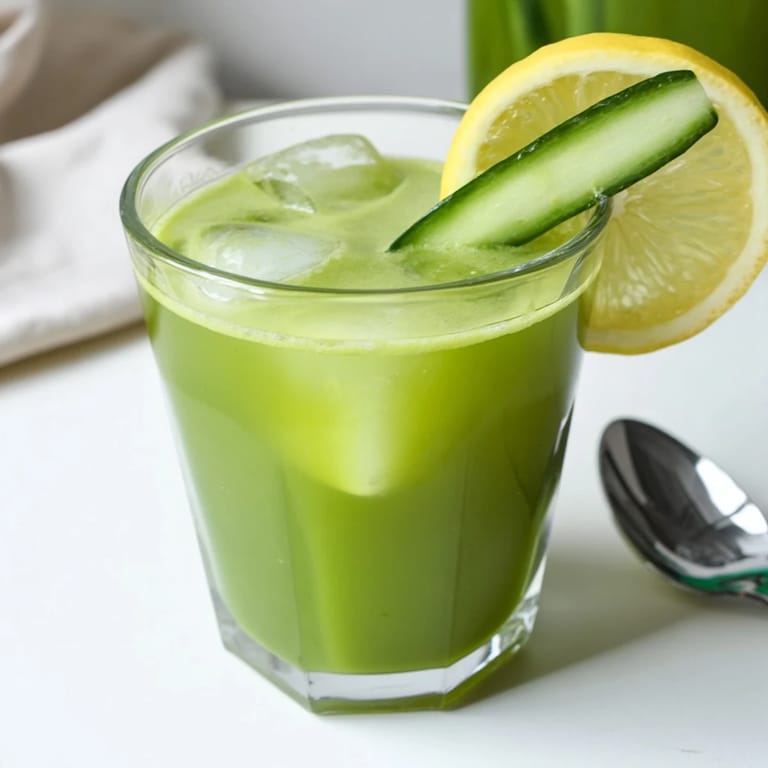
Save The morning after a particularly indulgent weekend, I found myself staring at a CSA box overflowing with dark leafy greens. My usual instinct would be to sauté everything into oblivion with garlic, but something about the vibrant purple cabbage and emerald kale made me pause. I'd read about the benefits of raw cruciferous vegetables but never truly embraced drinking them. That day, feeling sluggish and needing a reset, I decided to throw caution and my taste buds' preferences into the blender. The first sip was shocking in the best way possible — bright, alive, and nothing like the swamp water I'd feared.
Last January, when everyone around me was falling ill with whatever seasonal bug was making its rounds, I started making this juice every morning. My husband watched skeptically for weeks, nursing his coffee while I downed glasses of what he called swamp sludge. But when he finally ran out of excuses and tried a sip, he stopped calling it names. Now he actually reminds me if we're running low on kale. There's something about starting the day with something so vibrantly green that feels like an act of kindness to yourself.
Ingredients
- 1 cup green cabbage, chopped: The unsung hero of this juice, bringing surprising sweetness and a crucial dose of sulfur compounds that support your body's natural detox processes
- 1 cup kale leaves, stems removed: Remove those tough stems or your juice will have an unpleasant grassy texture, but keep the leaves for their incredible nutrient density
- 1 small cucumber, peeled: Peeling prevents any bitterness from the skin while adding volume and hydration that makes the juice more drinkable
- 1 stalk celery, chopped: Provides natural sodium that helps your body absorb all those nutrients more efficiently
- 1 green apple, cored: The bridge between medicinal and delicious, balancing the assertive greens with familiar sweetness
- Juice of 1 lemon: Brightens everything and helps your body actually absorb the iron from all these leafy greens
- 1-inch piece fresh ginger, peeled: The secret weapon that makes this taste like something you want to drink rather than something you have to drink
- 1/2 cup cold water, optional: If you're using a blender, this helps everything move smoothly and makes straining easier
Tired of Takeout? 🥡
Get 10 meals you can make faster than delivery arrives. Seriously.
One email. No spam. Unsubscribe anytime.
Instructions
- Prep your produce properly:
- Wash everything thoroughly, especially the kale and cabbage which can hide grit in their crevices. Chop everything into pieces small enough for your machine to handle easily.
- Feed your juicer methodically:
- Alternate between harder vegetables like cabbage and cucumber and softer leafy greens to help your juicer process everything efficiently. Add the ginger last so its flavor carries through.
- Blend it up if needed:
- Combine everything in your blender with water and process until you no longer hear large pieces hitting the blades. This might take longer than you expect depending on your blender's power.
- Strain with patience:
- Pour the blended mixture through your sieve, pressing gently with a spoon to extract all the liquid without forcing pulp through. Take your time here for the smoothest results.
- Drink it fresh:
- Pour over ice if you prefer it chilled and consume immediately while the nutrients are at their peak and the flavors are most vibrant.
 Save
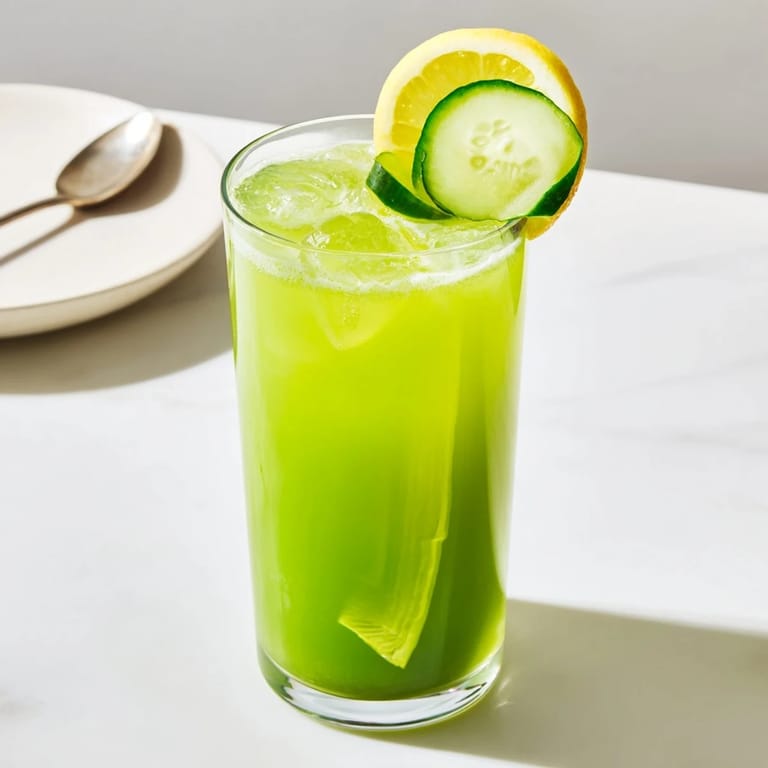
Save There was a particularly stressful stretch at work last year when this juice became my morning ritual. I'd stand in my kitchen in the quiet before dawn, watching the sun come up while I chopped vegetables. Something about that simple, meditative preparation — the crunch of cabbage, the smell of fresh ginger, the incredible green color — grounded me more than any meditation app ever could. It became not just about the nutrients but about taking five minutes to do something intentional for myself before the day's chaos took over.
Make It Your Own
Once you're comfortable with the base recipe, start experimenting with small adjustments that suit your taste. Sometimes I add fresh mint when I want something more cooling, or extra ginger when I feel like my system needs a little more fire. The beauty of this recipe is how forgiving it is — you can swap out the kale for spinach, add half a pear if the greens feel too bitter, or throw in a few sprigs of parsley for extra chlorophyll. Trust your palate and adjust accordingly.
Storage Strategy
Fresh juice is at its nutritional peak within 15 minutes of making, but sometimes life doesn't allow for immediate consumption. If you must store it, fill your container to the very top to minimize oxidation and seal it tightly. Even under ideal conditions, drink within 24 hours and give it a vigorous shake before pouring. The color might darken slightly but the flavor remains surprisingly stable.
Using The Pulp
After straining your juice, you'll have a surprising amount of pulp left behind. Before you toss it, consider that it's essentially pre-cooked vegetables waiting for a purpose. I've stirred it into scrambled eggs, added it to pancake batter for a surprisingly good breakfast, or simply frozen it in portions for later use in soups and stews. Nothing goes to waste and you get a second round of nutrients from the same produce.
- Mix pulp with an egg and some seasonings for quick veggie fritters
- Add a tablespoon to your morning smoothie for extra fiber
- Stir into soups during the last few minutes of cooking
 Save
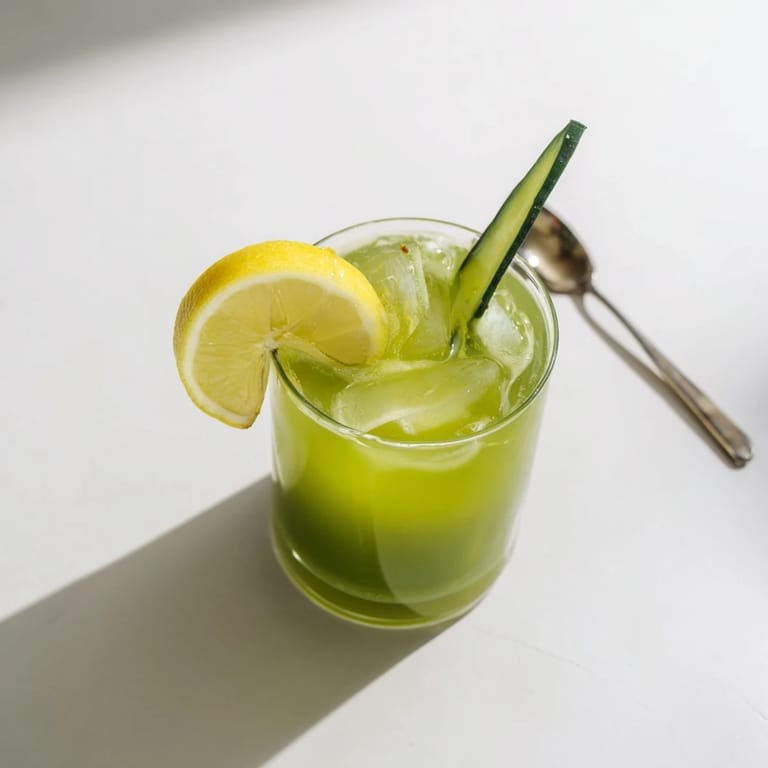
Save Whether you're feeling sluggish from too much rich food or simply want to start your morning with something that makes your body feel genuinely good, this juice delivers. Here's to drinking your greens and actually enjoying it.
Recipe FAQs
- → Can I make this juice ahead of time?
For maximum nutrient content and flavor, consume the juice immediately after preparation. If necessary, store in an airtight container in the refrigerator for up to 24 hours, though nutritional value decreases over time.
- → Do I need a juicer, or can I use a blender?
Either works well. A juicer extracts pure juice with minimal pulp, while a high-powered blender creates a thicker consistency that can be strained through a fine mesh sieve or nut milk bag for a smoother texture.
- → How can I adjust the flavor?
Customize to your preference by increasing or reducing ginger for spice level and lemon for tanginess. Add half a ripe pear or additional apple for extra sweetness if desired.
- → Is this juice suitable for specific diets?
Yes, this juice is naturally vegan, gluten-free, and low-calorie at 60 calories per serving. It's free from dairy, nuts, and soy, though it contains celery which may trigger allergies in some individuals.
- → What should I do with the pulp?
Don't waste the pulp—incorporate it into smoothies for added fiber or compost it. The nutrients and texture enhance other beverages and reduce kitchen waste.