 Save
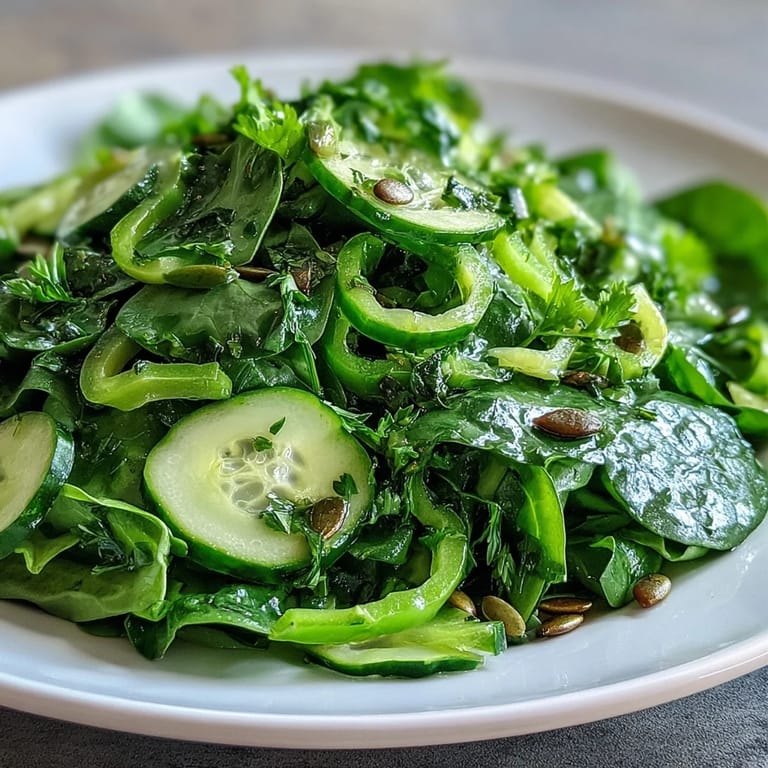
Save There's a particular moment on Tuesday afternoons when I stand at the farmer's market, surrounded by vendors calling out their harvests, and I feel genuinely excited about greens instead of obligated to eat them. That's when this salad was born—not from a diet plan or a wellness trend, but from realizing that the crispest vegetables deserved nothing more than a quick knife and an honest vinaigrette. My friend watched me assemble it in under fifteen minutes and asked why restaurant versions taste so pedestrian by comparison. The answer isn't complicated: it's about respecting the vegetables enough to let them shine.
I made this for my sister's surprise picnic last summer, and the moment someone said "this is the only salad I've ever finished," I knew I'd stumbled onto something real. She'd been pushing away sad desk salads for years, convinced they were punishment disguised as health food. But watching her come back for thirds, commenting on how refreshing everything tasted, reminded me that food memories aren't always about complexity—sometimes they're just about someone finally feeling seen through what's on their plate.
Ingredients
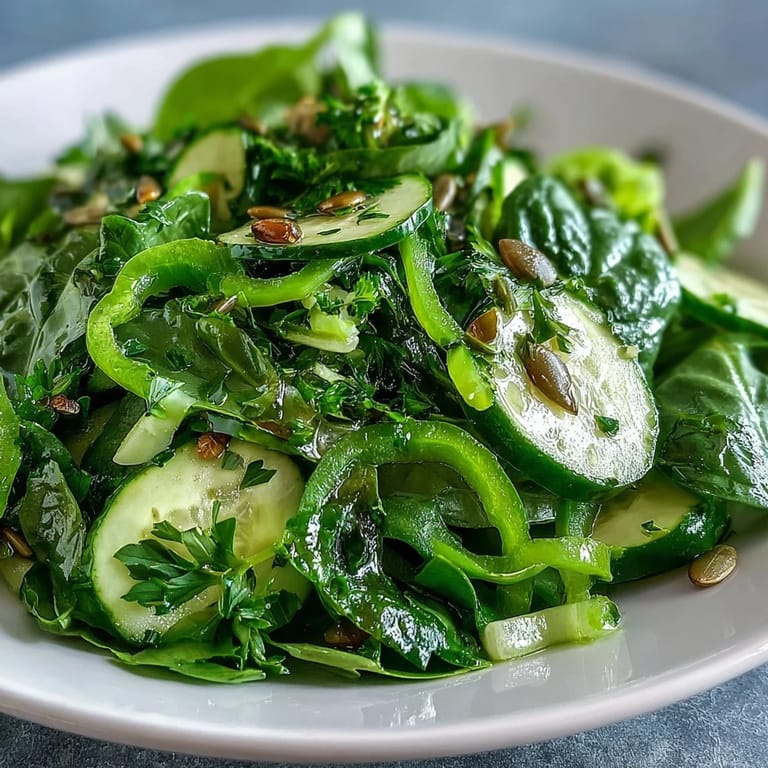
- Mixed baby greens (6 cups): Spinach and arugula give mineral depth, while kale adds substance and romaine provides that satisfying crunch that keeps people interested.
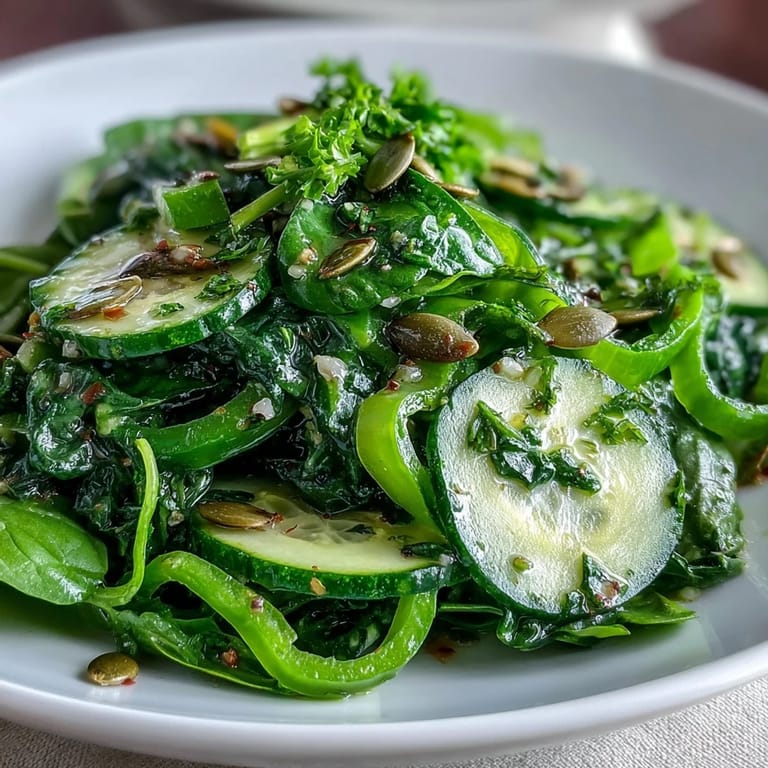
- Cucumber (1, thinly sliced): It's mostly water, which sounds boring until you realize that's exactly why it tastes so clean and bright on a warm day.
- Celery (1 cup, thinly sliced): The unsung hero that people skip over—it has more flavor than most expect and keeps everything crisp even as the dressing settles.
- Green bell pepper (1 cup, julienned): Raw peppers have a subtle sweetness that balances the vinaigrette's acidity in ways you won't consciously notice but will absolutely taste.
- Zucchini (1 cup, thinly sliced): Use a mandoline if you have one, but a sharp knife works beautifully too—the thin slices absorb dressing without becoming mushy.
- Fresh parsley (1/2 cup, chopped): Don't skip this; it's what makes people ask "what is that herb?" and suddenly the whole salad feels more intentional.
- Extra virgin olive oil (3 tablespoons): This is where you can actually taste the difference between grocery store and a bottle worth the investment.
- Fresh lemon juice (2 tablespoons): Bottled juice feels like cheating once you've squeezed it fresh—the brightness is genuinely different.
- Apple cider vinegar (1 tablespoon): It adds depth without overpowering, creating a vinaigrette that tastes like someone who knows what they're doing made it.
- Dijon mustard (1 teaspoon): This tiny amount acts as an emulsifier and brings a subtle sophistication that people won't identify but will definitely appreciate.
- Sea salt and freshly ground black pepper: Salt blooms flavors while pepper wakes everything up—grind it yourself just before serving for maximum impact.
- Pumpkin or sunflower seeds (1/4 cup, optional): They add crunch that refuses to fade, plus they're why guests ask for the recipe thinking there's something secret happening.
Tired of Takeout? 🥡
Get 10 meals you can make faster than delivery arrives. Seriously.
One email. No spam. Unsubscribe anytime.
Instructions
- Gather everything first:
- Wash and dry your greens thoroughly—water clinging to leaves dilutes the dressing and turns everything soggy within minutes. Have all vegetables prepped and within arm's reach so the assembly feels organized rather than rushed.
- Build your bowl:
- Combine greens, cucumber, celery, bell pepper, zucchini, and parsley in a large bowl—the height of the pile doesn't matter yet, just get everything in. This is the moment where you notice how vibrant everything looks together, almost glowing under kitchen light.
- Whisk the vinaigrette:
- In a small bowl, combine olive oil, lemon juice, apple cider vinegar, and mustard, then whisk until it transforms into something creamy and cohesive. The magic happens when the mustard helps the oil and acid become friends instead of separating—you'll feel when it shifts.
- Season and taste:
- Add salt and pepper to the dressing, then taste a drop on your fingertip before it touches the salad. This prevents the "oops, too salty" moment and puts you in control.
- Dress and toss gently:
- Pour dressing over the salad and toss with your hands or two wooden spoons using a lifting motion rather than aggressive churning. You want every leaf kissed with vinaigrette, not bruised into submission.
- Top with crunch:
- Sprinkle seeds across the top just before serving so they stay crispy and provide that textural surprise that makes people slow down and actually taste.
 Save
Save My neighbor stopped me at the mailbox one afternoon holding a bag of her garden zucchini, nervous that she'd grown too many and they were going soft. I made this salad that evening and brought her a bowl—she texted me the next day asking if I could teach her the dressing because apparently her whole family wanted it for dinner. Sometimes the best part of cooking isn't the eating; it's when something simple enough to make in fifteen minutes becomes the reason someone else tries cooking.
The Science Behind the Crunch
There's a reason this salad stays crispy longer than others—it's not magic, it's about water content and structure. Vegetables like cucumber and celery are mostly water, which means they maintain their firmness because the cells stay turgid and refuse to collapse. When you slice them thin, you're not just making them easier to eat; you're increasing their surface area so they can absorb just enough dressing to taste incredible without becoming limp. The parsley and greens create air pockets that prevent everything from settling into a dense, sad pile.
Why This Vinaigrette Tastes Different
Most people make vinaigrette by pouring ingredients together and hoping they combine, which is why it separates after five minutes and tastes sharp and unpleasant. The Dijon mustard here is the game-changer—it acts as an emulsifier, helping oil and acid become a stable cream rather than two liquids that refuse to cooperate. The apple cider vinegar brings warmth and complexity that straight lemon juice can't achieve alone, while the mustard adds a subtle spice that makes people ask what the secret ingredient is. You're not just mixing flavors; you're creating a dressing that stays together and tastes intentional.
Making It Your Own
The beauty of this salad is that it's a template rather than a rigid rule—I've made it with mint instead of parsley on warm evenings when mint was abundant and growing wild. Avocado slices turn it into a complete lunch, while adding grilled chicken or fish transforms it into the kind of dinner that feels like self-care. Once you understand the core of what makes it work—crisp greens, hydrating vegetables, and a dressing that respects them both—you can adjust based on what's in your kitchen and what your body is craving.
- Substitute lime juice for lemon if you want brightness that leans tropical rather than Mediterranean.
- Add fresh mint, basil, or dill to the parsley and suddenly the flavor profile shifts entirely while the structure stays intact.
- Toss in shredded carrots, thinly sliced radishes, or tender peas if you want more color and realize that more vegetables just means more crunch.
 Save
Save This salad taught me that healthy eating doesn't require suffering through bland food or complicated recipes—sometimes it's just about respecting good vegetables and not overthinking them. I make it now whenever I need to remember that simple food, made thoughtfully, is often the most satisfying.
Recipe FAQs
- → How long does this keep in the refrigerator?
Best enjoyed immediately after tossing with dressing. Undressed vegetables stay fresh for 2-3 days when stored in an airtight container.
- → Can I make the vinaigrette ahead?
Yes, whisk the dressing together and refrigerate in a sealed jar for up to one week. Shake well before using.
- → What greens work best?
Mixed baby greens, spinach, arugula, kale, or romaine all provide excellent texture and flavor. Combine varieties for more depth.
- → Is this suitable for meal prep?
Absolutely. Store chopped vegetables and dressing separately, then combine when ready to eat for optimal freshness and texture.
- → How can I add more protein?
Top with grilled chicken, baked tofu, chickpeas, hard-boiled eggs, or quinoa to transform this into a complete, protein-rich meal.
- → Can I use different vegetables?
Yes, try adding radishes, snap peas, shredded carrots, or thinly sliced fennel for varied flavors and crunch.