 Save
Save There's something about the smell of teriyaki sauce reducing in a hot pan that makes you stop whatever you're doing and pay attention. I discovered this recipe during a phase where I was frantically meal-prepping on Sunday afternoons, trying to salvage my weeknight sanity. What started as a desperate attempt to avoid ordering takeout became my most-requested dinner—so reliable that friends started asking for containers. The balance of sweet, savory, and a whisper of acid just works, every single time.
I made this for a potluck once without thinking twice, and someone asked me for the recipe before they'd even finished their plate. That moment of someone genuinely wanting to recreate what you've made—not politely, but genuinely—told me this wasn't just easy, it was special. Now it's the dish I reach for when I want to impress without stress.
Ingredients
- Boneless, skinless chicken thighs (600 g): Thighs forgive you—they stay moist even if you're not watching the clock, unlike breasts which dry out if you blink.
- Vegetable oil (1 tbsp): Just enough to get a golden sear on the chicken without drowning it.
- Salt and pepper: A light hand here; the sauce brings plenty of seasoning.
- Low-sodium soy sauce (80 ml): Low-sodium lets you taste the other flavors instead of just salt.
- Mirin (60 ml): This is the secret—it's naturally sweet and adds a silky texture that honey alone can't replicate.
- Honey or maple syrup (2 tbsp): A backup sweetener that rounds out the edges.
- Rice vinegar (1 tbsp): The brightness that keeps the sauce from tasting one-dimensional.
- Cornstarch (1 tbsp): Transforms a thin liquid into a glaze that actually clings to the chicken.
- Water (2 tbsp): Helps the cornstarch dissolve smoothly without lumps.
- Garlic and fresh ginger: Minced fine so they cook into the sauce and don't feel like gritty surprises.
- Jasmine or short-grain rice (250 g): Short-grain rice is forgiving; it forgives overcooking better than long-grain varieties.
- Water for rice (500 ml): The ratio matters—too little and you'll hear it crackling; too much and it turns to porridge.
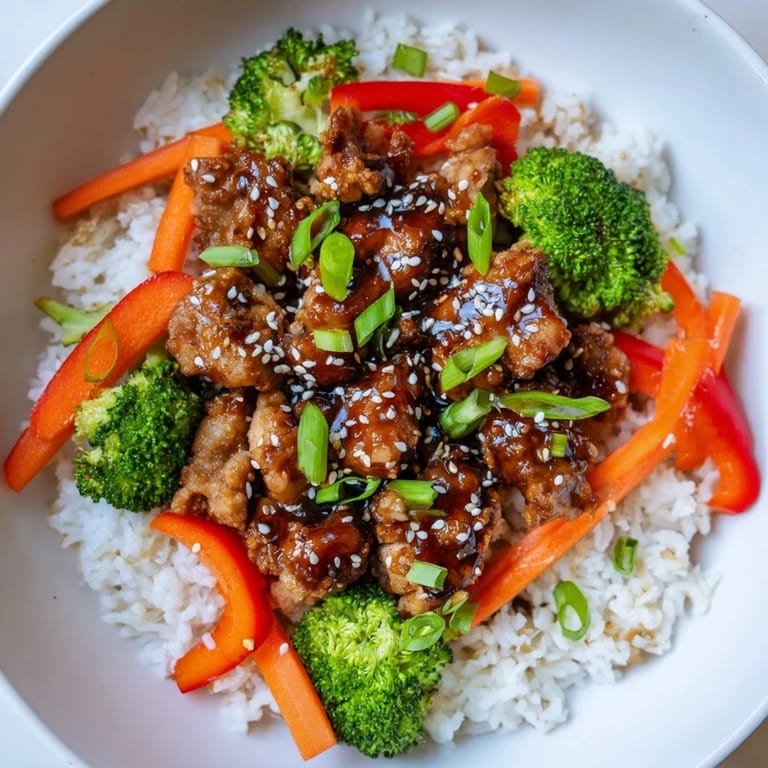
- Broccoli, carrots, bell pepper: Pre-cut if you're short on time, but whole vegetables stay fresher in the fridge.
- Sesame seeds and spring onions (optional): These garnishes aren't fussy—they're the finishing touch that makes it feel intentional.
Tired of Takeout? 🥡
Get 10 meals you can make faster than delivery arrives. Seriously.
One email. No spam. Unsubscribe anytime.
Instructions
- Prepare the rice:
- Rinse the rice under cold water, watching it go from cloudy to clear—this removes excess starch so each grain stays separate. Combine with water, bring to a boil, then drop the heat to low, cover, and let it steam gently for 12–15 minutes until the water is absorbed and the rice is tender.
- Steam the vegetables:
- While rice simmers, blanch or steam your broccoli, carrots, and bell pepper until they're just tender but still have a slight resistance when you bite them. This usually takes 3–4 minutes; overdo it and they turn mushy.
- Make the teriyaki sauce:
- Whisk together soy sauce, mirin, honey, rice vinegar, cornstarch, water, garlic, and ginger in a bowl until the cornstarch dissolves. The mixture should be smooth with no lumps hiding in the corners.
- Sear the chicken:
- Heat oil in a large skillet over medium-high heat until it shimmers. Season chicken with salt and pepper, then add it to the pan in a single layer and let it develop a golden crust for 5–6 minutes, stirring occasionally, until cooked through.
- Build the glaze:
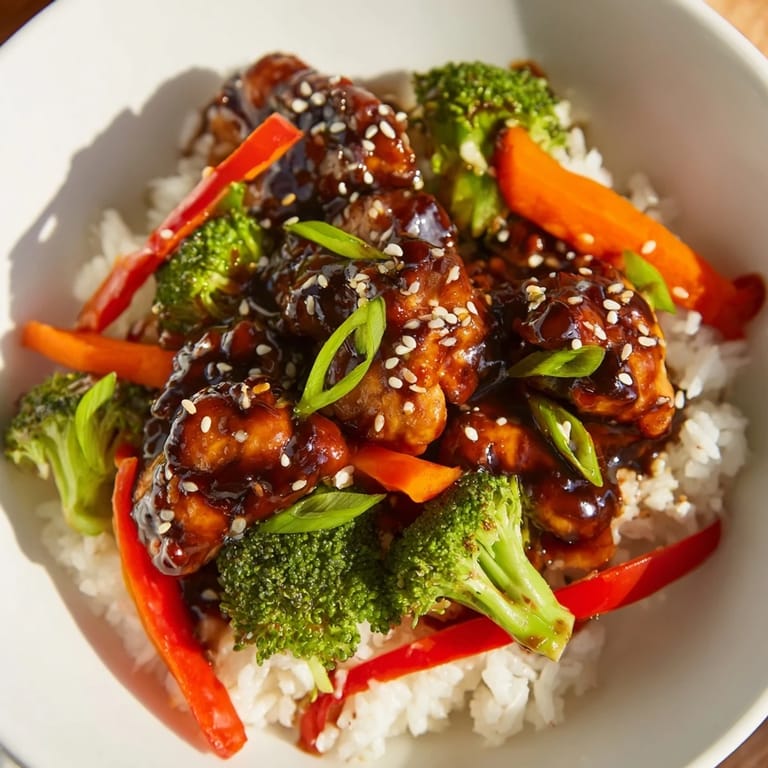
- Pour the teriyaki sauce over the chicken and stir constantly for 2–3 minutes. Watch it transform from thin liquid into a glossy coating that clings to each piece.
- Assemble for meal prep:
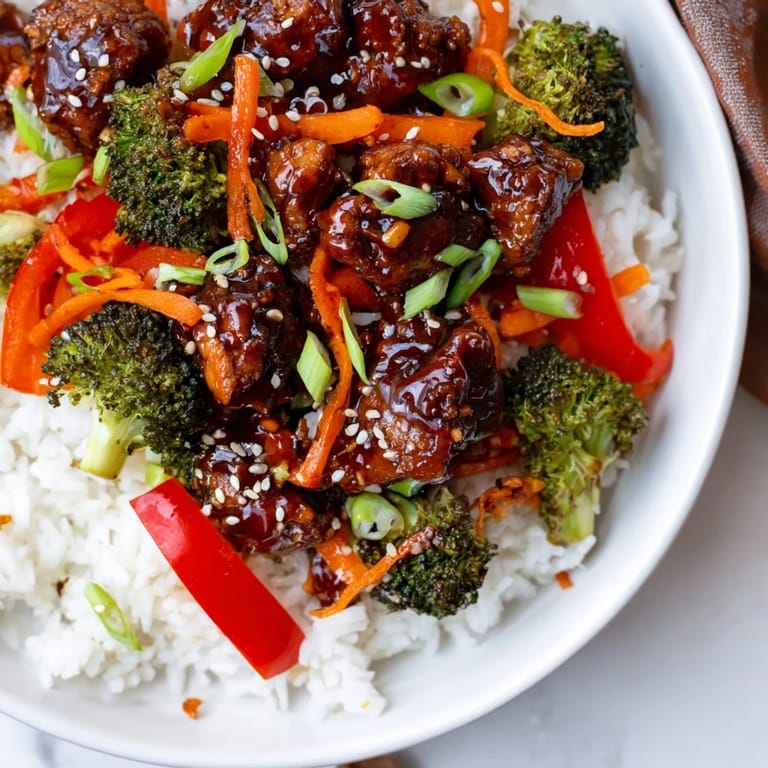
- Divide rice among containers, top with teriyaki chicken, scattered vegetables, sesame seeds, and spring onions. Let everything cool before sealing so condensation doesn't make the rice soggy.
- Store and reheat:
- Refrigerate for up to 4 days and reheat gently in a microwave or skillet with a splash of water if it seems dry.
 Save
Save The first time someone brought back an empty container and said they'd eaten it cold straight from the fridge because they were too hungry to wait, I realized this had crossed from recipe to ritual. It's become the dish that proves you don't need complicated techniques or rare ingredients to feel genuinely proud of what you've cooked.
Why Chicken Thighs Are Your Secret Weapon
Chicken thighs are more forgiving than breasts—they have fat running through them that keeps the meat moist even if your timing isn't perfect. I used to worry about overcooking chicken until I switched to thighs, and suddenly cooking became less stressful. They're also usually cheaper, which means this meal-prep dream doesn't require a splurge.
The Teriyaki Sauce Philosophy
The magic of teriyaki isn't one ingredient—it's the balance between sweet (mirin and honey), savory (soy sauce), and bright (rice vinegar). Mirin is the ingredient most people skip or substitute, but it adds a silky depth that regular sugar can't touch. The cornstarch isn't just thickening; it's binding everything into a glaze that makes the chicken taste restaurant-quality.
Making It Work for Your Life
This recipe scales beautifully—double it if you're cooking for a crowd or feeding yourself for the week. The vegetables are flexible too; if broccoli isn't in your fridge, snap peas, green beans, or even bok choy will work just as well. The sauce is what makes this dish shine, so focus your energy there and trust that the rest will fall into place.
- Vegetarian swap: Use extra-firm tofu or chickpeas instead of chicken, and add an extra minute to the cooking time so the sauce coats everything evenly.
- Gluten-free hack: Swap tamari for regular soy sauce and you're done—no other changes needed.
- Batch cooking tip: Triple the sauce recipe and freeze it in ice cube trays so you can grab cubes for quick weeknight dinners.
 Save
Save This recipe proved to me that the meals worth repeating aren't the complicated ones—they're the ones that taste good, cost less than takeout, and fit into the actual shape of your life. Make it once and it becomes a tool you reach for without thinking.
Recipe FAQs
- → How can I make the chicken more tender?
Using boneless, skinless chicken thighs helps retain moisture. Marinating briefly and cooking over medium-high heat until golden ensures tenderness.
- → What type of rice works best here?
Jasmine or short-grain rice complements the dish well, providing a fluffy, slightly sticky texture that absorbs flavors nicely.
- → Can I substitute the vegetables used?
Yes, snap peas, edamame, or green beans can be swapped in to add crunch and color to the dish.
- → How do I thicken the teriyaki sauce properly?
Whisking cornstarch with water before adding to the sauce helps achieve a glossy, thick consistency as it simmers.
- → What are good garnish options?
Toasted sesame seeds and sliced spring onions add nutty notes and freshness to finish the dish.