 Save
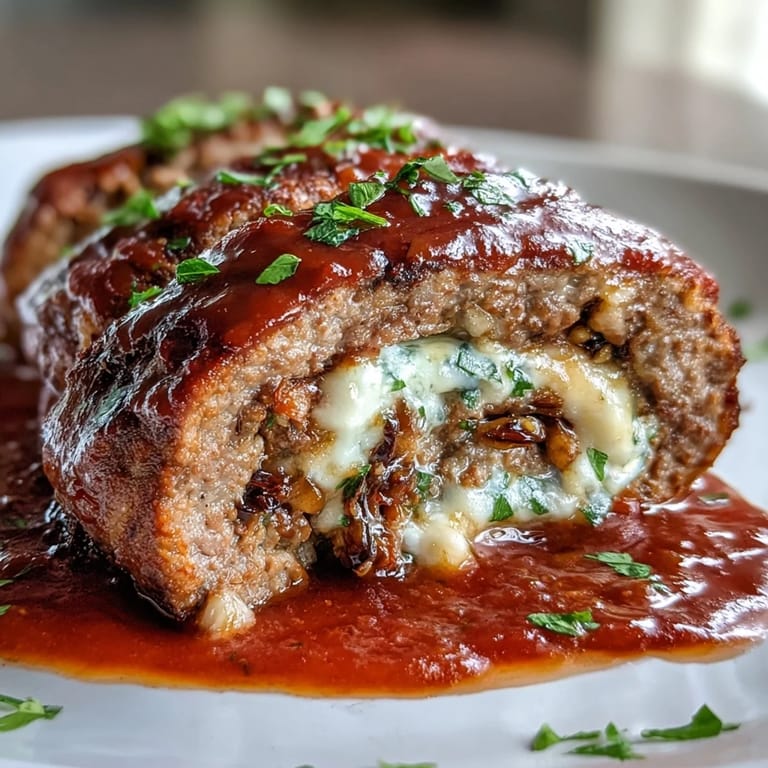
Save My neighbor Maria used to make these every Sunday, and the smell would drift through the courtyard and pull everyone toward her kitchen window. She'd laugh and wave us away, but by evening there was always a platter at the door. The beef rolls glistened under that deep red sauce, and I remember thinking it looked too beautiful to be something I could ever make myself. Years later, when I finally tried, I realized the magic wasn't in perfection—it was in the rolling, the tucking, the way the filling peeked out just a little at the edges.
I made this for my in-laws the first time they visited, and I was so nervous I over-tightened the twine and one of the rolls burst open in the pan. My father-in-law just laughed and said that's how you know it's homemade. We ate it anyway, sauce spooned generously over the whole mess, and he asked for seconds. That night I learned that hospitality isn't about flawless presentation—it's about filling the house with something warm and真心的.
Ingredients
- Beef top round or flank steak: Thin slices are key; ask your butcher to cut them for you, or pound them gently yourself until they're pliable enough to roll without tearing.
- Pecorino cheese: Its sharpness cuts through the richness of the beef and plays beautifully with the sweetness of the raisins; Parmigiano-Reggiano works too, but pecorino feels more authentically Sicilian.
- Pine nuts: Toast them lightly in a dry pan until fragrant—it only takes a minute, but it makes all the difference in flavor and keeps them from tasting raw.
- Raisins: They plump up as the braciole simmers, adding little bursts of sweetness that balance the salty cheese and savory sauce.
- Fresh parsley and basil: Bright, grassy notes that wake up the filling; chop them finely so they distribute evenly and don't clump.
- Garlic: Minced into the filling and again into the sauce, it weaves through every layer of flavor.
- Breadcrumbs: They help bind the filling and soak up any moisture, keeping everything cohesive inside the roll.
- Crushed tomatoes: Use good quality canned tomatoes; San Marzano if you can find them, because the sauce is the soul of this dish.
- Dry red wine: Optional, but it adds acidity and depth; a Sicilian red like Nero d'Avola feels right, but any dry red you'd drink with dinner works.
- Kitchen twine or toothpicks: Twine is traditional and easier to remove, but toothpicks work in a pinch—just remember to count them so you don't lose one in the sauce.
Tired of Takeout? 🥡
Get 10 meals you can make faster than delivery arrives. Seriously.
One email. No spam. Unsubscribe anytime.
Instructions
- Prep the beef:
- Lay each slice flat on a cutting board and pound gently with a meat mallet until it's about a quarter-inch thick, working from the center outward. Season both sides generously with salt and pepper, letting the seasoning sit while you prepare the filling.
- Make the filling:
- In a medium bowl, combine the pecorino, toasted pine nuts, raisins, parsley, basil, minced garlic, and breadcrumbs, tossing everything together until it looks like a chunky, fragrant mixture.
- Roll the braciole:
- Spoon an even layer of filling onto each beef slice, leaving a half-inch border on all sides, then roll tightly from one short end to the other, tucking in the sides as you go. Tie each roll securely with kitchen twine or fasten with toothpicks at both ends and the middle.
- Sear the rolls:
- Heat 2 tablespoons of olive oil in a large skillet over medium-high heat until shimmering, then add the braciole and sear on all sides until deeply browned, about 6 to 8 minutes total. Remove them to a plate and don't worry if a little filling escapes—it'll flavor the sauce.
- Build the sauce:
- In the same skillet, add another 2 tablespoons of olive oil and sauté the chopped onion until soft and translucent, about 3 minutes, then stir in the garlic and cook for another minute until fragrant.
- Deglaze and simmer:
- Pour in the red wine if using, scraping up all those caramelized bits stuck to the bottom of the pan, and let it bubble and reduce by half. Add the crushed tomatoes, oregano, salt, pepper, and a pinch of sugar if your tomatoes taste sharp, then bring everything to a gentle simmer.
- Braise the braciole:
- Nestle the seared beef rolls back into the sauce, cover the skillet, and reduce the heat to low. Let them simmer gently for about an hour and fifteen minutes, turning them occasionally so they cook evenly and the beef becomes meltingly tender.
- Finish and serve:
- Carefully remove the braciole from the sauce, snip away the twine or pull out the toothpicks, and slice each roll into thick rounds. Arrange them on a platter and spoon the rich tomato sauce generously over the top.
 Save
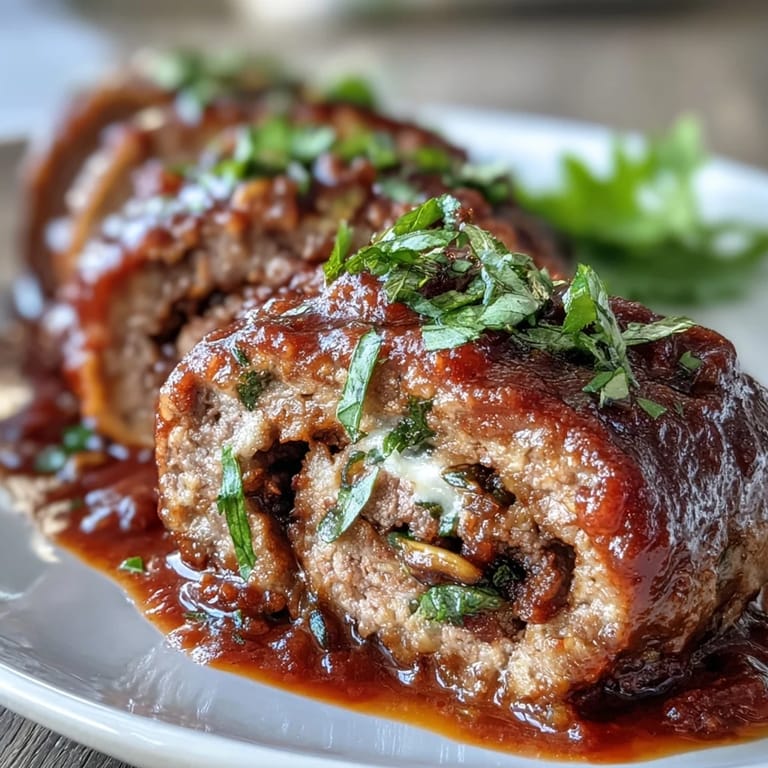
Save The first time I sliced into a finished braciole and saw that spiral of filling against the tender beef, I felt like I'd unlocked a secret. My daughter peeked over my shoulder and said it looked like a cinnamon roll, which made me laugh, but she wasn't wrong. There's something about the care that goes into rolling and tying each one that makes the meal feel like a gift, even if it's just a Tuesday.
Serving Suggestions
I like to serve braciole over a pile of buttered pasta—rigatoni or penne works beautifully because the sauce clings to the ridges. Some nights I'll make creamy polenta instead, letting it soak up all that rich tomato liquid, and other times I just set out a crusty loaf of bread and let everyone tear off pieces to mop their plates. A simple arugula salad with lemon and olive oil on the side cuts through the richness and keeps the meal from feeling too heavy.
Make Ahead and Storage
You can assemble the braciole a day ahead, wrap them tightly in plastic, and keep them in the fridge until you're ready to sear and simmer. The flavors actually deepen overnight, so leftovers are a blessing—I store them in an airtight container with the sauce spooned over the top, and they keep for up to three days. Reheat gently on the stove with a splash of water or broth to loosen the sauce, and they taste just as good, if not better, than the first night.
Variations and Substitutions
Maria used to tuck thin slices of hard-boiled egg into the filling, which added a creamy richness I still crave. You can also add a few slices of prosciutto for a deeper, saltier flavor, or swap the raisins for chopped sun-dried tomatoes if you prefer something less sweet. If pine nuts are too expensive or you have an allergy, chopped walnuts or even omitting the nuts entirely still gives you a delicious result.
- Use gluten-free breadcrumbs if needed, or substitute with ground almonds for a nutty twist.
- Try pork tenderloin slices instead of beef for a slightly sweeter, more delicate flavor.
- Add a pinch of red pepper flakes to the sauce if you like a little heat threading through the richness.
 Save
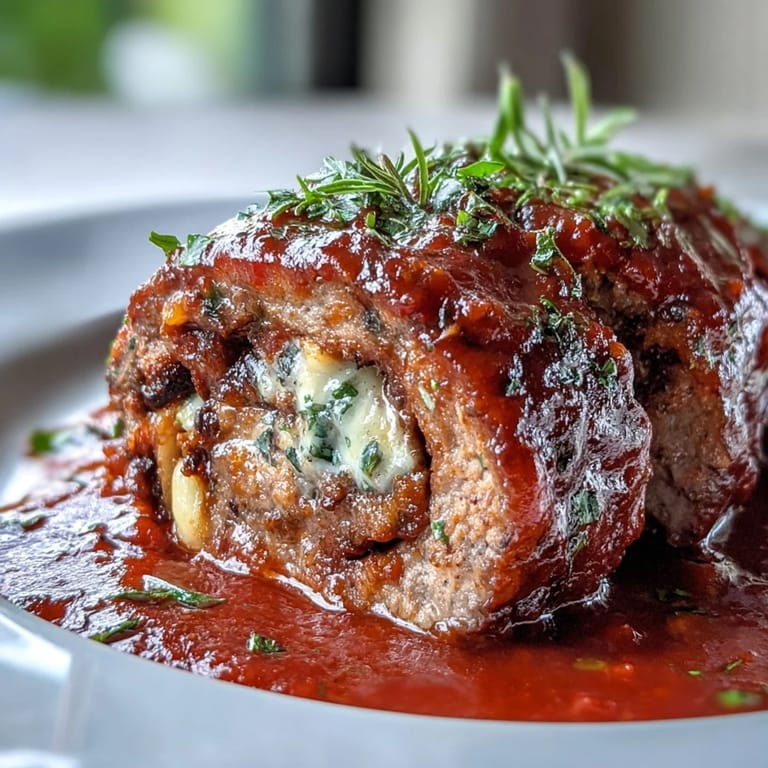
Save Every time I make these, I think about Maria and her courtyard and the way food can pull people together without anyone saying a word. I hope this becomes one of those dishes you make when you want your kitchen to feel like home.
Recipe FAQs
- → Can I use a different cut of beef for braciole?
Yes, flank steak or sirloin work well. The key is choosing a lean cut that can be pounded thin and rolled without falling apart during cooking.
- → How do I prevent the rolls from opening during cooking?
Secure each roll tightly with kitchen twine or toothpicks. Make sure to leave a small border when adding filling and tuck in the sides as you roll to keep everything contained.
- → Can I make braciole ahead of time?
Absolutely. You can assemble the rolls up to 24 hours in advance and refrigerate. You can also prepare the entire dish and reheat gently before serving.
- → What can I substitute for pine nuts?
Chopped walnuts or almonds work well as alternatives. Toast them lightly beforehand to enhance their flavor and add a pleasant crunch to the filling.
- → What sides pair best with Sicilian braciole?
Serve with pasta tossed in the tomato sauce, creamy polenta, or crusty Italian bread to soak up the flavorful sauce. A simple green salad completes the meal beautifully.
- → Can I freeze leftover braciole?
Yes, braciole freezes well for up to 3 months. Cool completely, then store in an airtight container with the sauce. Thaw in the refrigerator and reheat gently on the stovetop.