 Save
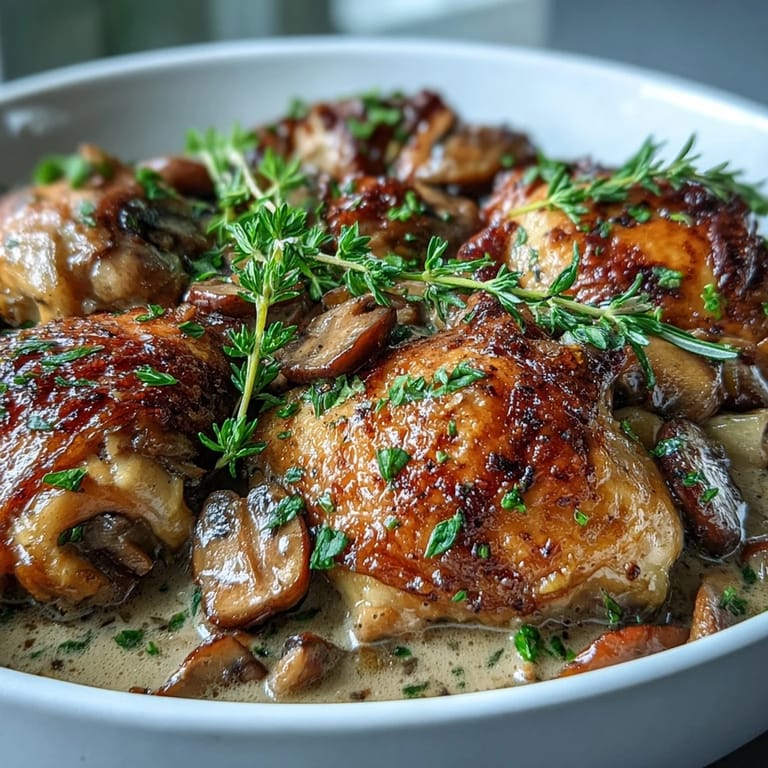
Save My neighbor brought back a bottle of pale rosé from Provence one summer, and I didn't want to just drink it. I'd made coq au vin with red wine before, but something about the blush color made me think of lighter dinners on the patio. The first time I tried this version, the kitchen smelled floral and savory at once, and the sauce turned this beautiful soft pink. It felt like I'd stumbled onto something that belonged in a bistro, not my cramped galley kitchen. Now it's what I make when I want something elegant without the heaviness of the original.
I made this for a small dinner party once, and my friend who usually skips seconds asked if there was more. She said it reminded her of a meal she'd had in Lyon, which made me feel like I'd done something right. The mushrooms had soaked up all that wine and cream, and even the carrots tasted special. We ended up sitting at the table much longer than planned, just talking and mopping up sauce with bread. That's when I realized this dish has a way of slowing people down in the best way.
Ingredients
- 1.5 kg bone-in, skin-on chicken pieces: Thighs and drumsticks stay juiciest during the long braise, and the bones add body to the sauce you can't get from breasts.
- 500 ml dry rosé wine: Choose something you'd enjoy drinking, not too sweet, because it becomes the soul of the dish and you'll taste every note.
- 2 tbsp olive oil: This is your base for browning, and a good fruity oil adds a subtle richness that butter sometimes masks.
- 1 medium onion, finely chopped: The finer you chop, the more it melts into the sauce and sweetens everything without being noticed.
- 2 garlic cloves, minced: Fresh garlic blooms in the heat and fills the kitchen with that unmistakable warmth, don't skip this step.
- 2 carrots, peeled and sliced: They add a slight sweetness and color, plus they soak up the wine beautifully and turn tender without falling apart.
- 200 g mushrooms, quartered: Cremini have more flavor than white buttons, and quartering them gives you meaty bites that hold their shape.
- 1 small leek, sliced: Leeks bring a gentle onion flavor that's more delicate and sophisticated than regular onions alone.
- 2 tbsp tomato paste: A little goes a long way to deepen the color and add umami without making it taste like tomato.
- 1 tbsp all-purpose flour: Optional, but it helps the sauce cling and coat instead of staying too thin and soupy.
- 200 ml heavy cream: This is what turns the sauce silky and pale pink, and it balances the acidity of the wine perfectly.
- 1 bay leaf, 4 sprigs thyme, 1 sprig rosemary: These herbs are classic for a reason, they make the whole pot smell like the French countryside.
- Salt and freshly ground black pepper: Season at every stage, it builds flavor in layers instead of trying to fix it all at the end.
- 2 tbsp fresh parsley, chopped: A bright green finish that cuts through the richness and makes every plate look alive.
Tired of Takeout? 🥡
Get 10 meals you can make faster than delivery arrives. Seriously.
One email. No spam. Unsubscribe anytime.
Instructions
- Prep the chicken:
- Pat those pieces completely dry with paper towels so they brown instead of steam, then season generously with salt and pepper on all sides. Wet skin will never crisp, and bland chicken ruins everything.
- Brown the chicken:
- Heat olive oil in your Dutch oven over medium-high until it shimmers, then add chicken in batches without crowding and let each side get golden, about 5 minutes total per batch. Transfer to a plate and don't worry about cooking it through yet.
- Cook the aromatics:
- In the same pot with all those tasty brown bits, toss in onions, carrots, and leek, stirring occasionally until they soften and start to smell sweet, about 4 to 5 minutes. Add mushrooms and let them release their moisture and shrink down, another 3 minutes.
- Build the base:
- Stir in garlic and let it cook just until fragrant, about 1 minute, then add tomato paste and stir it around so it coats everything and darkens slightly. If you're using flour, sprinkle it over now and stir to coat all the vegetables evenly.
- Deglaze and simmer:
- Pour in the rosé and scrape up every stuck bit from the bottom with a wooden spoon, then nestle the chicken back in and tuck in the bay leaf, thyme, and rosemary. Bring it to a gentle simmer, cover, and lower the heat so it barely bubbles for 45 minutes until the chicken is fall-apart tender.
- Finish with cream:
- Fish out the herb sprigs and bay leaf, then stir in the cream and let it simmer uncovered for 5 to 10 minutes until the sauce thickens just enough to coat a spoon. Taste and adjust the salt and pepper, then sprinkle with parsley before serving.
 Save
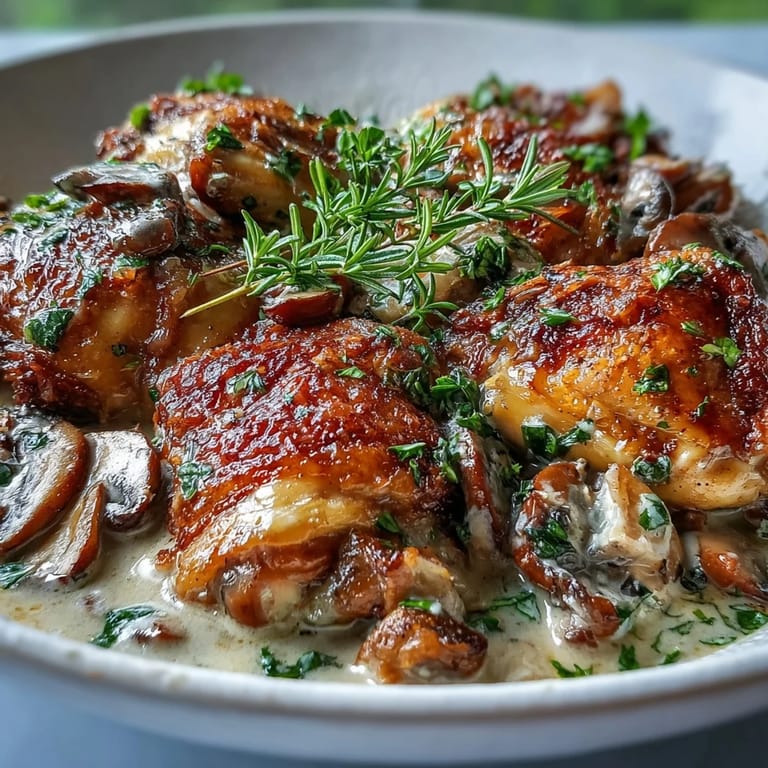
Save One evening I served this with buttered fingerling potatoes, and my husband, who usually reaches for hot sauce, didn't touch the bottle. He just kept dragging potato halves through the sauce and sighing happily. I remember thinking that's the magic of a dish like this, it doesn't need anything extra. It's complete on its own, and it makes people feel cared for without you having to say a word.
Serving Suggestions
I love spooning this over creamy mashed potatoes or wide egg noodles, anything that can catch all that beautiful sauce. Crusty bread is essential for mopping up every last bit, and a simple green salad with lemon vinaigrette on the side keeps things fresh. If you want to lean into the French countryside vibe, roasted asparagus or haricots verts work beautifully alongside.
Make Ahead and Storage
This actually tastes better the next day after the flavors have married in the fridge overnight. I make it in the afternoon, let it cool completely, then reheat it gently on the stove before guests arrive. It keeps covered in the fridge for up to three days, and you can freeze it without the cream, then stir that in when you reheat so it doesn't split.
Swaps and Variations
If you can't find good rosé, a dry white wine like Sauvignon Blanc works in a pinch, though you lose that pretty blush color. For a richer version, add a splash of cognac or brandy right after deglazing, it deepens everything. You can swap heavy cream for crème fraîche if you want a tangier finish, or use half-and-half to lighten it up without losing too much body.
- Add pearl onions and lardons for a more traditional coq au vin feel with a rosé twist.
- Toss in a handful of fresh tarragon at the end for an anise note that plays beautifully with the cream.
- Use bone-in chicken breasts if you prefer white meat, but reduce the simmer time to about 30 minutes so they don't dry out.
 Save
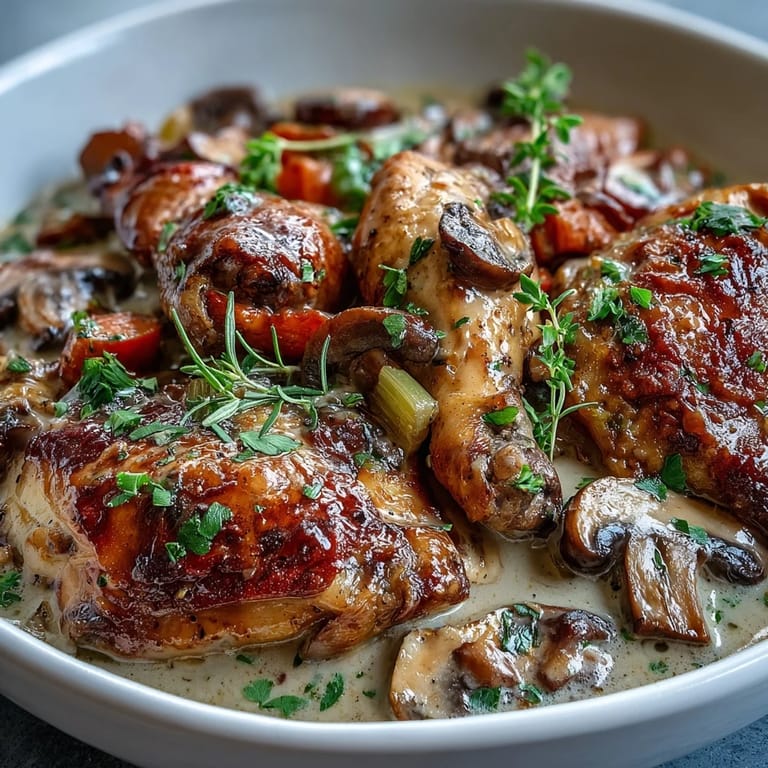
Save This dish has become my answer to wanting something special without spending all day in the kitchen. It's warm, it's beautiful, and it always makes people feel like they're somewhere far away, even if it's just a Tuesday night at home.
Recipe FAQs
- → Can I use chicken breasts instead of thighs and drumsticks?
While you can use breasts, thighs and drumsticks are recommended because they remain juicier and more tender during the longer braising time. If using breasts, reduce cooking time to 30-35 minutes to prevent drying out.
- → What type of rosé wine works best for this dish?
Choose a dry rosé wine with good acidity, such as a Provence-style rosé. Avoid sweet or fruity rosés as they can make the sauce overly sweet. The wine should be something you'd enjoy drinking.
- → Can I make this dish ahead of time?
Yes, this dish actually improves when made ahead. Prepare it up to 2 days in advance, refrigerate, and gently reheat on the stovetop. You may need to add a splash of stock or wine when reheating if the sauce has thickened too much.
- → How can I make the sauce thicker or thinner?
For a thicker sauce, let it simmer uncovered longer or add the optional tablespoon of flour when cooking the vegetables. For a thinner sauce, add chicken stock or additional wine during the final simmering stage.
- → What side dishes pair well with Coq au Vin Rosé?
Classic pairings include buttered new potatoes, creamy mashed potatoes, egg noodles, or crusty French bread to soak up the sauce. Roasted vegetables or a simple green salad also complement the rich flavors beautifully.
- → Can I substitute the heavy cream with something lighter?
Yes, you can use half-and-half, crème fraîche, or even full-fat coconut cream for a dairy-free option. Keep in mind that lighter alternatives may produce a less rich sauce, so adjust seasoning accordingly.