 Save
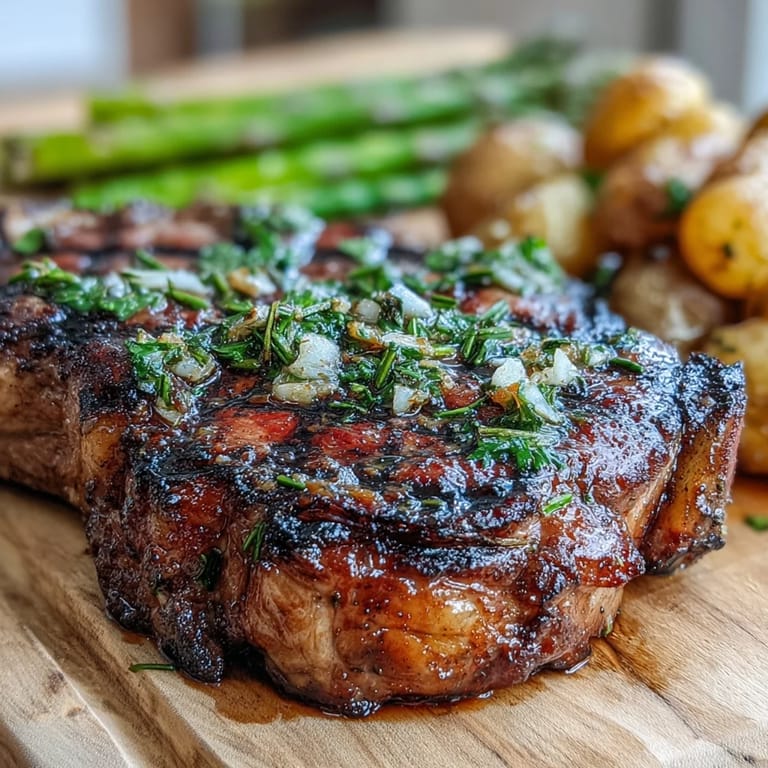
Save The sizzle of a thick rib eye hitting hot grill grates is a sound that never gets old. I used to think bone-in steaks were intimidating, something reserved for steakhouse chefs with decades of experience. Then one summer evening, I decided to stop overthinking it and just go for it. The result was so good that my neighbor leaned over the fence to ask what I was cooking. That's when I knew I'd figured something out.
I made this for my dad's birthday last year, and he said it was better than the place we used to go when I was a kid. He's not someone who gives compliments lightly, especially about food. Watching him scrape every bit of garlic and rosemary off the bone made the whole afternoon of prep worth it. We sat outside until the citronella candles burned out, talking about nothing and everything. Food has a way of doing that.
Ingredients
- Bone-in rib eye steaks: The bone conducts heat and bastes the meat from the inside, creating a more complex flavor than boneless cuts.
- Olive oil: Helps the seasoning stick and promotes a beautiful crust without burning like butter would over high heat.
- Kosher salt: The larger crystals cling better to the meat and season more evenly than table salt.
- Freshly ground black pepper: Pre-ground pepper tastes flat, fresh cracks release oils that bloom under heat.
- Fresh rosemary: Woody herbs can handle high heat and their oils perfume the steak as it cooks.
- Garlic cloves, smashed: Smashing releases more flavor than slicing, and they won't burn as quickly on the grill.
- Baby potatoes: They cook faster than large potatoes and their thin skins add texture.
- Unsalted butter: Lets you control the salt level and adds richness to the tender potatoes.
- Fresh parsley: A bright, grassy note that cuts through the richness of butter and steak.
- Asparagus: Grills beautifully in the same time it takes the steak to rest, and the char adds a smoky sweetness.
- Lemon wedges: A squeeze of acid over the vegetables and steak brightens everything and balances the fat.
Tired of Takeout? 🥡
Get 10 meals you can make faster than delivery arrives. Seriously.
One email. No spam. Unsubscribe anytime.
Instructions
- Bring the steaks to room temperature:
- Pull them from the fridge 30 minutes before grilling and pat them completely dry with paper towels. A dry surface sears better, and room temperature meat cooks more evenly from edge to center.
- Preheat your grill:
- Get it screaming hot, around 450 to 500 degrees Fahrenheit. You want to hear that instant sizzle when the meat makes contact.
- Season generously:
- Rub the steaks all over with olive oil, then season with salt and pepper like you mean it. Don't be shy, a thick steak needs bold seasoning.
- Grill the steaks:
- Place them on the hottest part of the grill and lay the rosemary sprigs and smashed garlic on top. Grill 4 to 5 minutes per side for medium rare, resisting the urge to move them around.
- Rest the steaks:
- Transfer to a cutting board and tent loosely with foil for 8 minutes. This lets the juices redistribute so every bite is tender and moist.
- Boil the potatoes:
- While the steaks grill, cook halved baby potatoes in salted boiling water until fork tender, about 10 to 12 minutes. Drain well, then toss with butter and chopped parsley while they're still hot.
- Grill the asparagus:
- Toss with olive oil, salt, and pepper, then place on the grill during the last 5 minutes of steak cooking. Turn once until tender with light char marks.
- Serve:
- Plate the rested steaks with the asparagus and buttered potatoes. Add lemon wedges on the side for squeezing over everything.
 Save
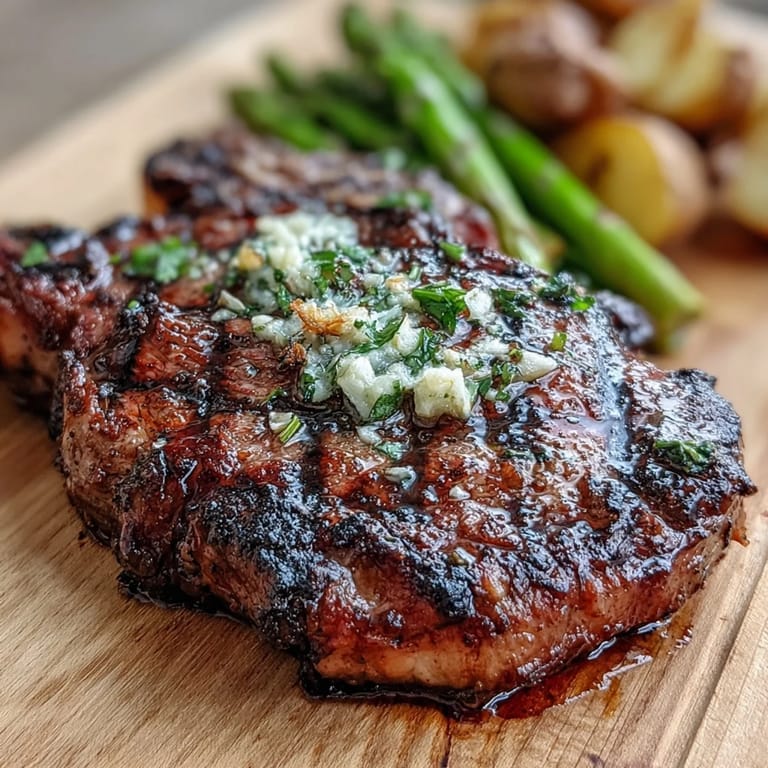
Save There's something about cutting into a steak you grilled yourself that feels like a small victory. The first time I nailed the timing, I took a photo before I even tasted it because I couldn't believe that perfect pink center was my doing. My partner looked at me like I'd grown a second head, but I didn't care. Some meals you just want to remember.
Choosing Your Steak
Look for steaks with good marbling, those white streaks of fat running through the red meat. They should be at least an inch and a half thick or they'll overcook before you get a good crust. If the butcher offers to cut them fresh, say yes. I once bought pre-cut steaks that were unevenly thick and one cooked faster than the other, which taught me to always check before leaving the counter.
Getting the Timing Right
The hardest part is trusting the process and not poking the steaks every thirty seconds. I used to flip mine four times out of nervousness, which meant I never got a good sear. Now I set a timer, walk away, and let the heat do its job. If you're worried, use the finger test: press the steak gently, and if it feels like the fleshy part of your palm below your thumb when you touch your thumb to your middle finger, it's medium rare.
Serving Suggestions
This meal doesn't need much else, but a simple arugula salad with shaved Parmesan and a lemon vinaigrette adds a peppery freshness. If you want to go all out, whip up a quick chimichurri or compound butter with herbs and garlic. I've also served this with roasted Brussels sprouts when asparagus wasn't in season, and they were just as good.
- A glass of bold red wine like Cabernet Sauvignon or Malbec pairs beautifully with the richness of the steak.
- If you have leftover steak, slice it thin for sandwiches or chop it into a breakfast hash with the potatoes.
- Don't toss the bones, they make an incredible base for beef stock if you're feeling ambitious.
 Save
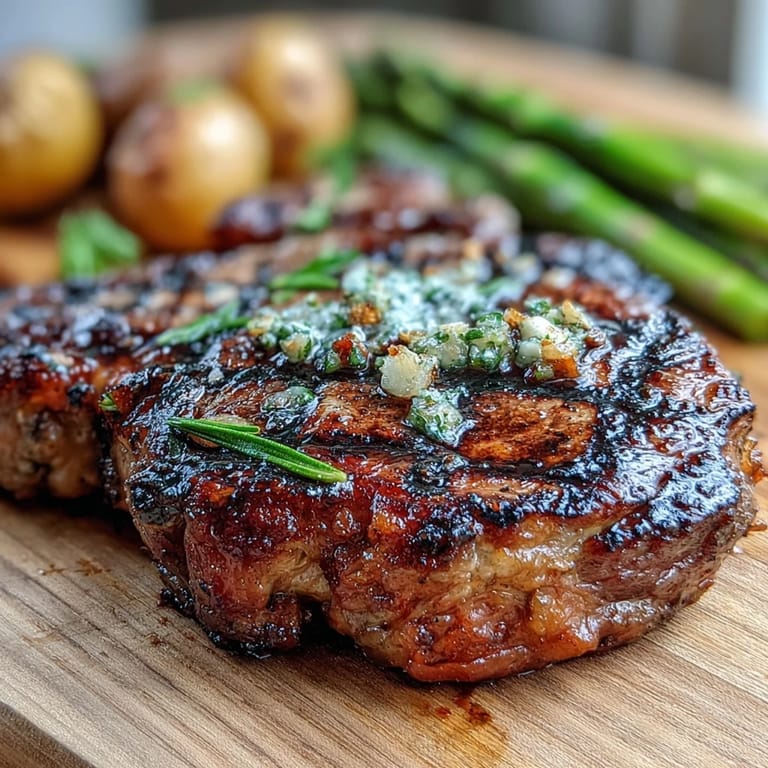
Save This is the kind of meal that makes you feel like you know what you're doing in the kitchen, even if you're winging half of it. It's simple, honest, and satisfying in a way that reminds you why cooking at home beats going out almost every time.
Recipe FAQs
- → How do I know when the rib eye is cooked to medium-rare?
For medium-rare, grill the steak for 4-5 minutes per side at high heat (450-500°F). The internal temperature should reach 130-135°F. Use a meat thermometer for accuracy, and always let the steak rest for 8 minutes before slicing.
- → Why is it important to let the steak rest after grilling?
Resting allows the juices to redistribute throughout the meat, ensuring every bite is tender and juicy. Tent the steak loosely with foil for 8 minutes after removing from the grill to achieve optimal results.
- → Can I cook this on a stovetop if I don't have a grill?
Yes, use a cast-iron grill pan or heavy skillet over high heat. Follow the same timing and technique, searing each side for 4-5 minutes. Finish in a 400°F oven if the steak is very thick to ensure even cooking.
- → What sides pair best with grilled rib eye steak?
The buttered parsley potatoes and grilled asparagus complement the rich steak beautifully. You can also substitute with green beans, broccolini, roasted Brussels sprouts, or a fresh garden salad for variety.
- → How thick should the rib eye steaks be for grilling?
Aim for steaks that are 1.5 inches thick, weighing about 16 ounces each. This thickness allows for a perfect sear on the outside while maintaining a juicy, tender interior with ideal doneness.
- → What wine pairs well with bone-in rib eye steak?
Bold red wines work best with the rich, marbled meat. Try a Cabernet Sauvignon, Malbec, or Syrah. The tannins in these wines complement the fat content and enhance the overall dining experience.