 Save
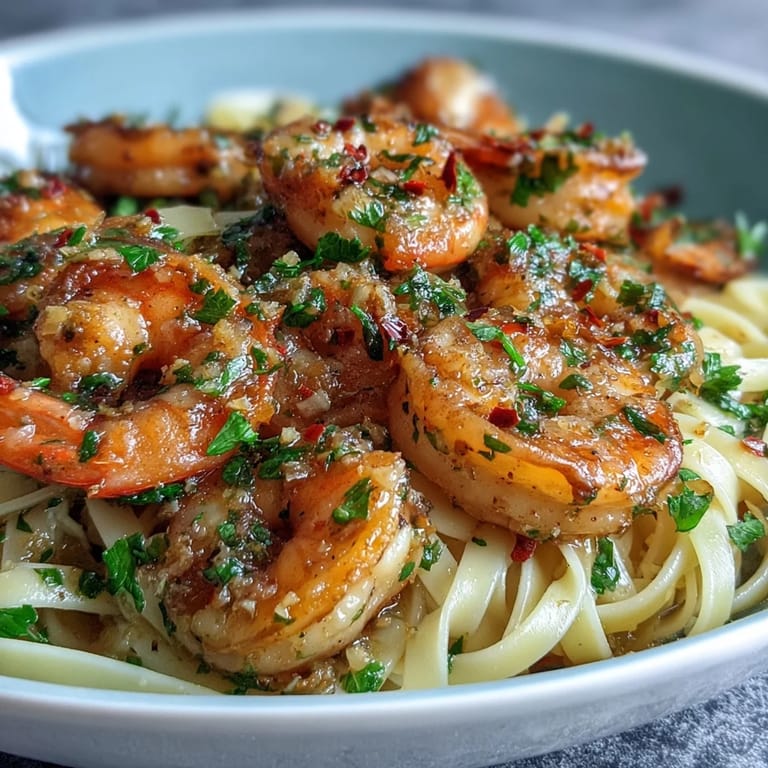
Save My neighbor knocked on my door holding a bag of shrimp and a bottle of wine, asking if I knew how to make scampi. I didn't, but we figured it out together that evening, laughing through garlic breath and butter splatter. The pasta turned out silky, bright, and impossibly good. Since then, it's become my go-to for when I want something that tastes fancy but doesn't require fancy skills. It's the kind of meal that makes you feel like you're treating yourself, even on a Tuesday.
I made this for my parents once when they were visiting, and my dad, who normally salts everything, didn't reach for the shaker once. My mom asked for the recipe three times before dessert. Watching them twist their forks through the linguine, quiet except for the occasional hum of approval, reminded me that food doesn't need to be complicated to feel special. It just needs to be made with a little attention and served with people you care about.
Ingredients
- 1 pound large shrimp, peeled and deveined: The star of the dish. Buy them already peeled if you want to save time, and make sure they're dry before they hit the pan so they get a nice sear instead of steaming.
- 12 ounces linguine: Long pasta works best here because it tangles beautifully with the shrimp and soaks up the sauce. Cook it just shy of tender since it'll finish in the skillet.
- 4 tablespoons unsalted butter: This is what makes the sauce luxurious and glossy. I always use unsalted so I can control the seasoning myself.
- 3 tablespoons extra-virgin olive oil: Keeps the butter from burning and adds a fruity richness that balances the wine and lemon.
- 5 cloves garlic, finely minced: Don't skimp. Garlic is the backbone of scampi, and mincing it fine helps it melt into the sauce without burning.
- 1/4 teaspoon red pepper flakes: Optional, but I love the gentle warmth it adds. You can leave it out or double it depending on your heat tolerance.
- Zest of 1 lemon: Brings brightness and aroma without adding acidity. Zest before you juice, and avoid the white pith.
- 1/4 cup fresh parsley, chopped: Adds color and a fresh herbal note that cuts through the richness. Flat-leaf parsley tastes better than curly here.
- 1/2 cup dry white wine: I use whatever I'd drink, usually a Pinot Grigio or Sauvignon Blanc. It deglazes the pan and adds acidity to balance the butter.
- 2 tablespoons freshly squeezed lemon juice: Freshly squeezed is key. Bottled lemon juice tastes flat and won't give you the same bright pop.
- Salt and freshly ground black pepper: Season in layers. Taste as you go, especially after adding the pasta water.
- Lemon wedges, for serving: A final squeeze at the table wakes up every bite.
Tired of Takeout? 🥡
Get 10 meals you can make faster than delivery arrives. Seriously.
One email. No spam. Unsubscribe anytime.
Instructions
- Boil the pasta:
- Bring a large pot of salted water to a rolling boil and cook the linguine until al dente, usually a minute less than the package says. Reserve half a cup of the starchy pasta water before draining.
- Prep the shrimp:
- Pat them completely dry with paper towels and season lightly with salt and pepper. Wet shrimp won't brown, they'll just steam and turn rubbery.
- Start the aromatics:
- Melt 2 tablespoons butter with 2 tablespoons olive oil in a large skillet over medium heat. Add garlic and red pepper flakes, stirring constantly for about a minute until fragrant but not darkened.
- Sear the shrimp:
- Lay shrimp in a single layer and cook 1 to 2 minutes per side until pink and just opaque. Remove them to a plate so they don't overcook.
- Build the sauce:
- Pour in the wine and lemon juice, scraping up any browned bits stuck to the pan. Let it bubble and reduce for 2 to 3 minutes until it smells bright and slightly concentrated.
- Finish with butter:
- Stir in the remaining butter and olive oil until the sauce turns glossy and emulsified. This is what makes it cling to the pasta.
- Bring it together:
- Return the shrimp and any collected juices to the skillet along with lemon zest and half the parsley. Toss gently to coat everything in that buttery, garlicky goodness.
- Toss the pasta:
- Add the drained linguine and toss well, adding reserved pasta water a little at a time until the sauce coats every strand without pooling. Taste and adjust salt and pepper.
- Serve hot:
- Plate immediately, garnish with remaining parsley and lemon wedges. This dish waits for no one.
 Save
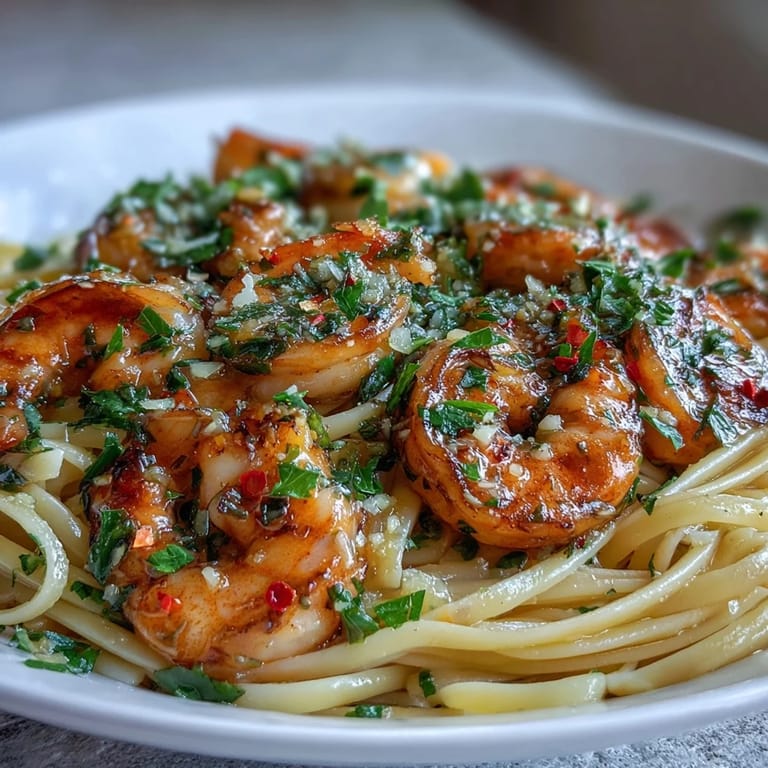
Save One night I made this after a long, frustrating day, and the smell of garlic hitting hot butter reset my entire mood. I stood at the stove, twirling pasta with tongs, and realized I was smiling. It's funny how something as simple as shrimp and linguine can pull you out of your own head. That's when this recipe became more than dinner. It became a small, reliable comfort I could always count on.
Substitutions and Variations
If you can't find linguine, spaghetti or fettuccine work just as well. I've also used gluten-free pasta for a friend with celiac, and it turned out beautifully as long as I added a little extra pasta water. For a dairy-free version, swap the butter for more olive oil or use a plant-based butter that melts smoothly. You can also toss in halved cherry tomatoes with the garlic for bursts of sweetness, or stir in a handful of baby spinach at the end for color and greens. Some people like to add a splash of heavy cream to make it richer, but I prefer the clean, bright flavor of the classic version.
Pairing and Serving Suggestions
This pairs perfectly with a crisp, chilled white wine like Pinot Grigio or Sauvignon Blanc. I usually serve it with a simple arugula salad dressed in lemon and olive oil, and some crusty bread to soak up every drop of sauce left on the plate. If you're feeding a crowd, double the recipe and use two skillets so the shrimp can sear properly without crowding. It's also fantastic with roasted asparagus or blistered green beans on the side. Keep it light and let the scampi be the star.
Storage and Reheating
Leftovers keep in an airtight container in the fridge for up to two days, though the pasta will soak up some of the sauce as it sits. To reheat, I add a splash of white wine or chicken broth to a skillet over low heat and gently warm the pasta and shrimp, tossing frequently. The microwave works in a pinch, but the texture won't be as good. If you know you'll have leftovers, slightly undercook the shrimp and pasta so they don't turn rubbery when reheated.
- Add a splash of liquid when reheating to bring the sauce back to life.
- Store shrimp and pasta together so the flavors meld overnight.
- Finish with fresh lemon juice and parsley after reheating for a just-made taste.
 Save
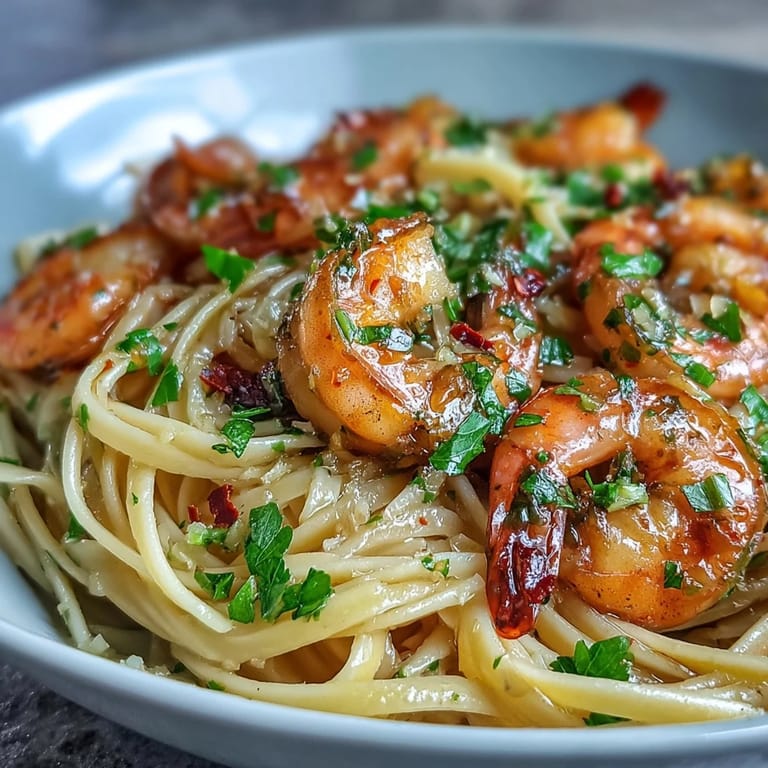
Save This dish has earned a permanent spot in my weeknight rotation, and I hope it does the same for you. It's proof that a handful of good ingredients and a little care can turn a regular evening into something worth remembering.
Recipe FAQs
- → Can I use frozen shrimp instead of fresh?
Yes, frozen shrimp work perfectly. Thaw them completely in the refrigerator overnight or under cold running water, then pat dry thoroughly before cooking to ensure proper browning.
- → What type of white wine should I use?
Choose a dry white wine like Pinot Grigio, Sauvignon Blanc, or Chardonnay. Avoid sweet wines, and use something you would enjoy drinking alongside the dish.
- → How do I prevent the shrimp from becoming rubbery?
Cook shrimp briefly, just 1-2 minutes per side until opaque and pink. Remove them immediately from heat once cooked, as they will continue cooking slightly from residual heat.
- → Can I make this dish ahead of time?
This dish is best served immediately for optimal texture and flavor. However, you can prep ingredients in advance and cook just before serving to save time.
- → What can I substitute for linguine?
Spaghetti, fettuccine, or angel hair pasta work wonderfully. For a gluten-free option, use your favorite gluten-free pasta and cook according to package directions.
- → How can I make the sauce creamier?
Add an extra tablespoon of butter at the end, or stir in 2-3 tablespoons of heavy cream when combining the sauce. The reserved pasta water also helps create a silkier consistency.