 Save
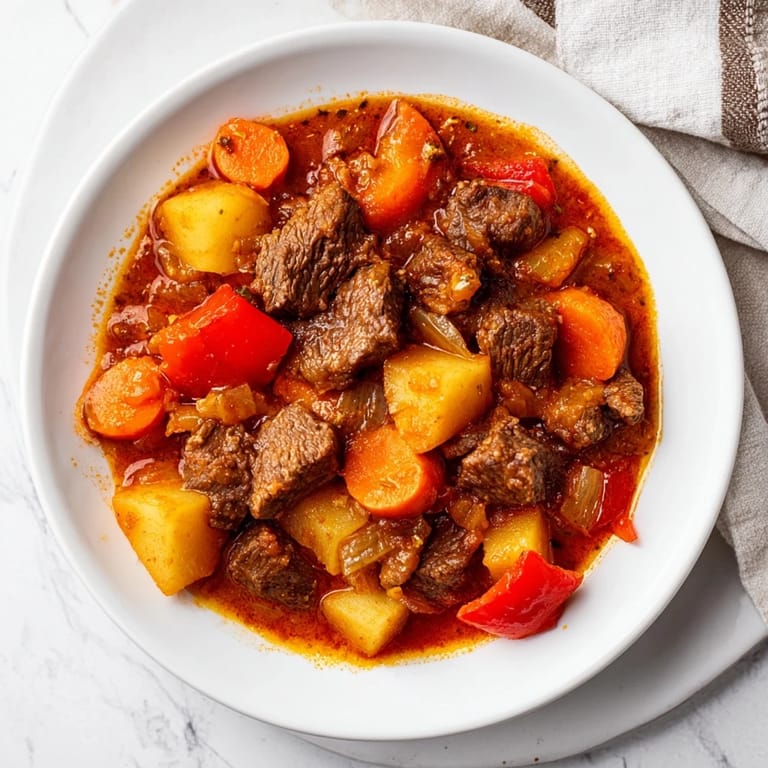
Save There's something about the smell of paprika hitting hot oil that instantly transports me back to my grandmother's kitchen on a cold Budapest afternoon. She was teaching me how to make proper goulash, moving deliberately through each step like it was a ritual she'd performed a thousand times. The way she'd toast the onions until they turned amber, the patience she insisted on—I didn't understand it then, but the first time I tasted what those extra minutes of care created, I was converted.
I made this for friends who were skeptical about stew in general—they thought it was old-fashioned and boring. Three hours later, watching them ask for seconds and then scrape their bowls clean was something I won't forget. That's when I realized goulash wasn't really about following a recipe perfectly; it was about understanding how flavors build on each other.
Ingredients
- 2 lbs beef chuck, cut into 1-inch cubes: Chuck is forgiving and becomes incredibly tender after simmering—it's the only cut I'd use because the fat renders and enriches the whole stew.
- 2 large onions, finely chopped: Don't rush this step; golden onions are the foundation of everything that comes after.
- 2 medium carrots, sliced: They add natural sweetness that balances the paprika's earthiness.
- 1 large red bell pepper, diced: Red peppers have more sweetness than green ones, which is what goulash actually needs.
- 2 cloves garlic, minced: Add this after the onions soften so it doesn't burn and turn bitter.
- 2 medium potatoes, peeled and cubed (optional): If you add them, don't cut them too small or they'll dissolve into the broth.
- 3 tbsp Hungarian sweet paprika: This is non-negotiable—the paprika makes the entire dish, so buy the real stuff from a Hungarian market if you can.
- 1 tsp caraway seeds: These give goulash its distinctive warmth; it's subtle but unmistakable once you know what you're tasting for.
- 1 tsp dried marjoram: Marjoram is gentler than oregano and works like a whisper in the background.
- 1/2 tsp freshly ground black pepper: Freshly ground makes a noticeable difference.
- 1 tsp salt (plus more to taste): Start conservative and adjust at the end—the broth concentrates as it simmers.
- 1 bay leaf: Remove it before serving unless you want someone to bite into it.
- 4 cups beef broth: Use good broth; it's not just liquid, it's the base of your flavor.
- 2 tbsp tomato paste: This deepens the color and adds a subtle tang that rounds out the paprika.
- 2 tbsp vegetable oil or lard: Lard creates a richer flavor, but vegetable oil works fine if that's what you have.
Tired of Takeout? 🥡
Get 10 meals you can make faster than delivery arrives. Seriously.
One email. No spam. Unsubscribe anytime.
Instructions
- Heat your pot and soften the onions:
- Pour the oil or lard into a large heavy-bottomed pot over medium heat and let it get shimmering. Add the chopped onions and let them sit for a minute before stirring—they'll start releasing their moisture and turning golden, which usually takes about 8 minutes total. You'll know they're ready when they're soft, translucent, and smell sweet rather than sharp.
- Bloom the garlic:
- Stir in the minced garlic and cook for just about a minute until the raw edge is gone and the kitchen smells amazing. Don't let it sit too long or it'll brown and taste acrid.
- Brown the beef:
- Add all the beef cubes in a single layer and let them sit for a couple of minutes before stirring. They need to develop a dark crust on the outside—this happens around 5 minutes total, stirring occasionally. You're not cooking the meat through; you're just giving it color and developing deeper flavors.
- Coat everything in paprika:
- Sprinkle the Hungarian sweet paprika directly over the beef and onions, then stir quickly and thoroughly to coat everything. This is important: the paprika shouldn't brown or burn, so keep the heat at medium and move fast. It'll smell incredible once it hits the hot meat.
- Add the rest of the seasonings:
- Stir in the tomato paste, caraway seeds, marjoram, black pepper, and salt. Mix it all together so nothing is clumping or sitting in pockets. This is when the stew starts to smell like real goulash.
- Add vegetables and broth:
- Throw in the carrots, bell pepper, and bay leaf, then pour in the beef broth. As you pour, scrape the bottom of the pot with your wooden spoon to loosen any browned bits—that's flavor gold. Bring everything to a simmer; you'll see small bubbles breaking the surface.
- Simmer gently with the lid on:
- Cover the pot and reduce the heat to low. Let it cook for about an hour, stirring every 15 minutes or so. The beef will gradually become more tender, and the flavors will start merging together into something unified and deep.
- Add potatoes and finish cooking:
- If you're using potatoes, add them now and continue simmering uncovered for another 45 to 60 minutes. The uncovered time lets the stew reduce slightly and thicken naturally. The beef should be fork-tender by now, the vegetables soft but not falling apart, and the broth rich and velvety.
- Taste and adjust:
- Before serving, remove the bay leaf and taste. Add more salt if needed—remember, the stew has been concentrating, so a little goes a long way. If it tastes too intense, a splash more broth mellows it out; if it tastes thin, let it simmer another 10 minutes uncovered.
 Save
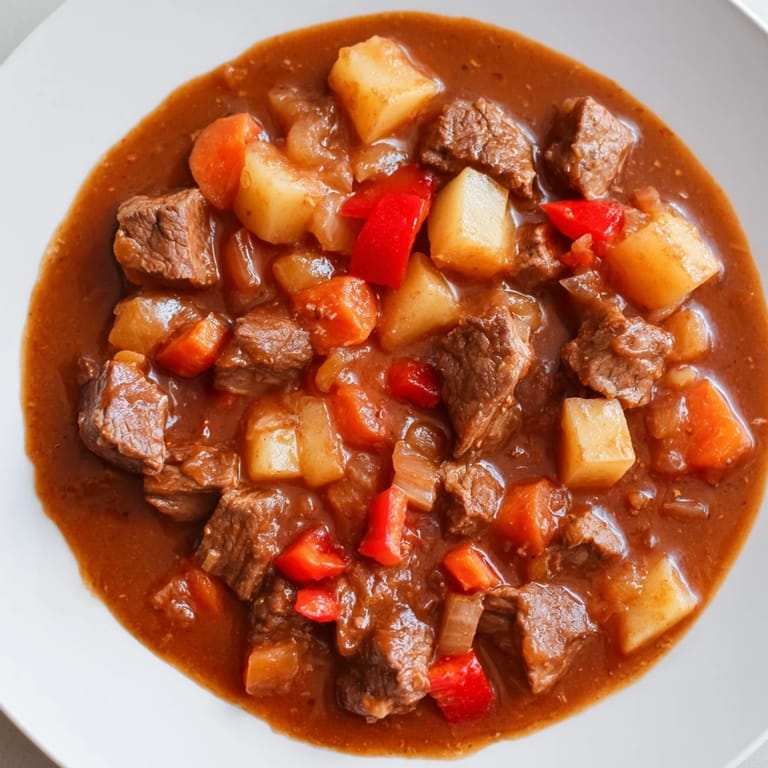
Save What caught me off guard the first time I made this was how the flavors kept evolving as the stew sat. After two hours, it was delicious. The next morning, after sitting in the fridge overnight, it was transformed—deeper, rounder, more integrated. That's when I understood why my grandmother always insisted on making goulash a day ahead.
What Makes This Different From Other Stews
The paprika is really what sets goulash apart from, say, a beef stew. Most stews rely on browned meat and broth for their base flavor, but goulash builds a whole flavor architecture around paprika—it's the star, not supporting cast. That means quality matters, and it also means you need to respect how it behaves. Too much heat and it turns acrid; not enough time developing the other flavors and it can feel one-note. But when you get it right, it's unmistakable.
Storage and Reheating
This stew is genuinely better on day two or three, which makes it perfect for batch cooking. Store it in an airtight container in the fridge for up to four days, or freeze it for up to three months. When you reheat it, add a splash of broth or water because the stew will have thickened as it sat, and you want it to flow again rather than clump.
How to Serve It Right
Goulash is best served hot, in a shallow bowl so you can get both meat and broth with every spoonful. The traditional side dishes matter more than you'd think—they're not decoration, they're partners. Fresh bread to soak up the broth is essential, but if you want to feel authentic, csipetke dumplings or egg noodles are the real way. A small bowl of sour cream on the side is traditional too, and while it's dairy so I'm not including it in the main recipe, a dollop melts into the heat beautifully if you want it.
- Serve it in shallow bowls with room for broth, not deep mugs.
- Have crusty bread nearby—this stew demands something to soak the bottom of the bowl with.
- Let people adjust the seasoning themselves with more salt and pepper at the table.
 Save
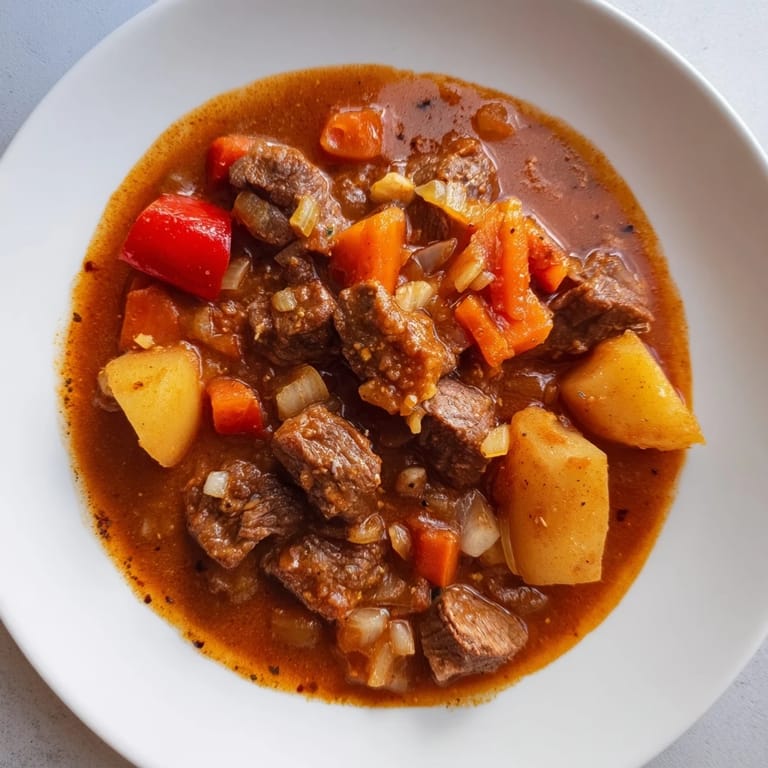
Save This is one of those recipes that rewards patience and doesn't demand perfection. Make it, taste it, adjust it—it'll tell you what it needs.
Recipe FAQs
- → What cut of beef works best for this stew?
Beef chuck is ideal due to its marbling and tenderness after slow cooking, providing rich flavor and texture.
- → Can I adjust the spiciness in this dish?
Yes, adding hot paprika or a chopped chili pepper can increase heat while balancing the stew's sweetness.
- → Are the potatoes necessary in this preparation?
Potatoes are optional but add extra body and creaminess, making the stew more filling.
- → How long should the stew simmer for optimal tenderness?
Simmering gently for about two hours allows the beef and vegetables to become tender without drying out.
- → What side dishes complement this hearty stew?
Rustic bread, egg noodles, or traditional csipetke dumplings pair beautifully, soaking up rich flavors.