 Save
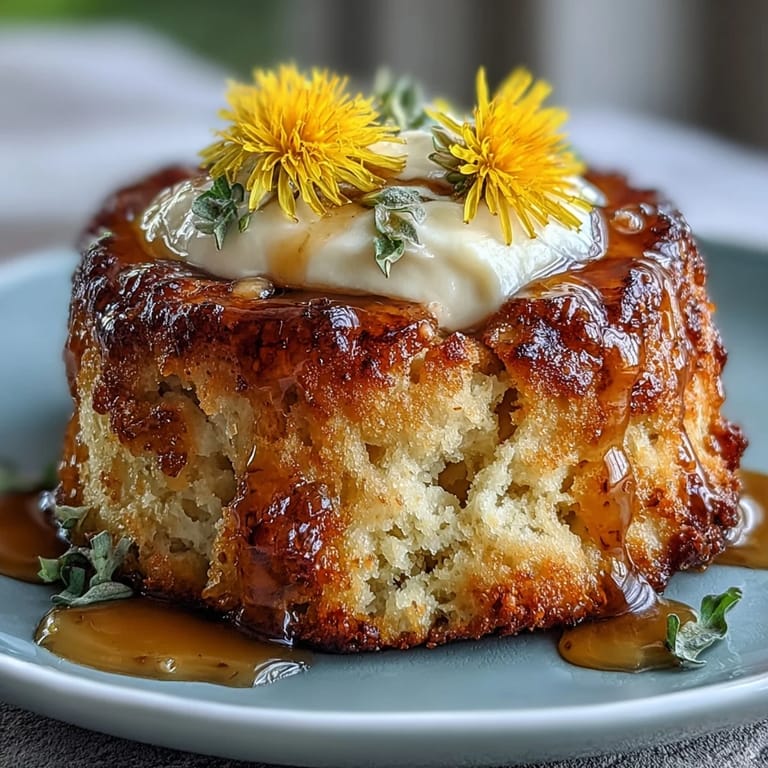
Save Last spring, my neighbor handed me a basket of dandelion greens and said, "Make something pretty with these." I laughed—dandelions were weeds, weren't they? But that evening, I found myself pulling the bright yellow petals from their stems, mesmerized by how delicate they were, and suddenly I understood what she meant. These scones became my answer, a way to turn something unexpected into something golden and tender and worth sharing at a table full of people who'd never thought to eat a flower before.
I made these for my book club on a April morning when everyone showed up tired and a little disappointed by the weather. The moment the scones came out of the oven, the whole room shifted—that buttery, honeyed smell seemed to lift everyone's mood at once. My friend Sarah ate two and asked if I'd teach her, and now it's become the thing she makes when she needs to feel like spring is actually coming.
Ingredients
- All-purpose flour (2 cups): The foundation of tender scones; measure by spooning and leveling, not scooping, or you'll end up with dense, heavy results.
- Granulated sugar (1/4 cup): Adds subtle sweetness without making these taste like dessert—they should still feel like brunch food.
- Baking powder (1 tbsp): This is what gives scones their characteristic tender crumb and gentle lift; check the expiration date, as old baking powder won't perform.
- Fine sea salt (1/2 tsp): Brightens the honey and floral notes without making anything taste salty.
- Unsalted butter, cold and cubed (1/2 cup): Cold butter creates those little pockets that make scones tender; if it's warm, your scones will be tough and compact.
- Whole milk, cold (2/3 cup): The liquid that brings everything together; keeping it cold helps prevent overdeveloping the gluten.
- Fresh dandelion petals, pesticide-free (2 tbsp for dough, 2 tbsp for garnish): Use only the bright yellow petals from fully open flowers, avoiding any green or white parts, which taste bitter and medicinal.
- Honey (2 tbsp for dough, 1 tbsp for drizzle): Adds a subtle floral sweetness and keeps the scones moist; drizzle it while they're still warm so it soaks in slightly.
- Large egg (1): Binds the dough and gives the scones a golden exterior.
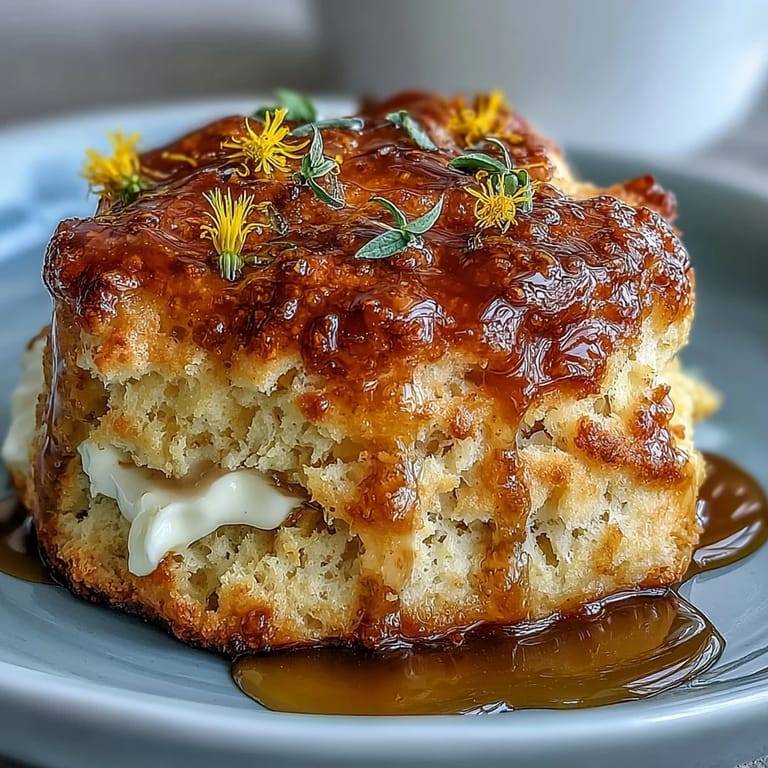
- Clotted cream, to serve: The traditional pairing; if you can't find it, whipped cream or mascarpone work, though they lack that rich, slightly tangy depth.
Tired of Takeout? 🥡
Get 10 meals you can make faster than delivery arrives. Seriously.
One email. No spam. Unsubscribe anytime.
Instructions
- Get your oven and mise en place ready:
- Preheat to 400°F and line a baking sheet with parchment paper. Having everything measured and at the right temperature before you start mixing is the secret to scones that actually turn out right every single time.
- Combine the dry ingredients:
- Whisk flour, sugar, baking powder, and salt in a large bowl until evenly distributed. This aerates the flour and ensures the baking powder is spread throughout, giving you an even rise.
- Cut in the cold butter:
- Using a pastry cutter, fork, or your fingertips, work the cold butter into the flour until the mixture looks like coarse breadcrumbs. This step takes patience—you want visible little pieces of butter, not a smooth paste, because those pieces create steam pockets that make scones tender and flaky.
- Mix the wet ingredients:
- In a small bowl, whisk together milk, honey, egg, and dandelion petals until combined. The dandelion petals will soften slightly from the liquid, which is perfect.
- Bring it all together:
- Pour the wet mixture into the dry ingredients and stir gently with a fork until just combined—this is crucial. Overmixing develops gluten, which makes scones tough and dense; stop as soon as you don't see dry flour anymore.
- Shape the dough:
- Turn the dough onto a lightly floured surface and gently pat it into a 1-inch-thick round, being as hands-off as possible. Using a sharp knife or dough cutter, divide into 8 wedges like a pizza, then place them on the prepared baking sheet.
- Bake until golden:
- Bake for 16 to 18 minutes, watching for a light golden-brown color and a slight puff. You'll know they're done when they smell impossibly good and the tops are set.
- Finish and serve:
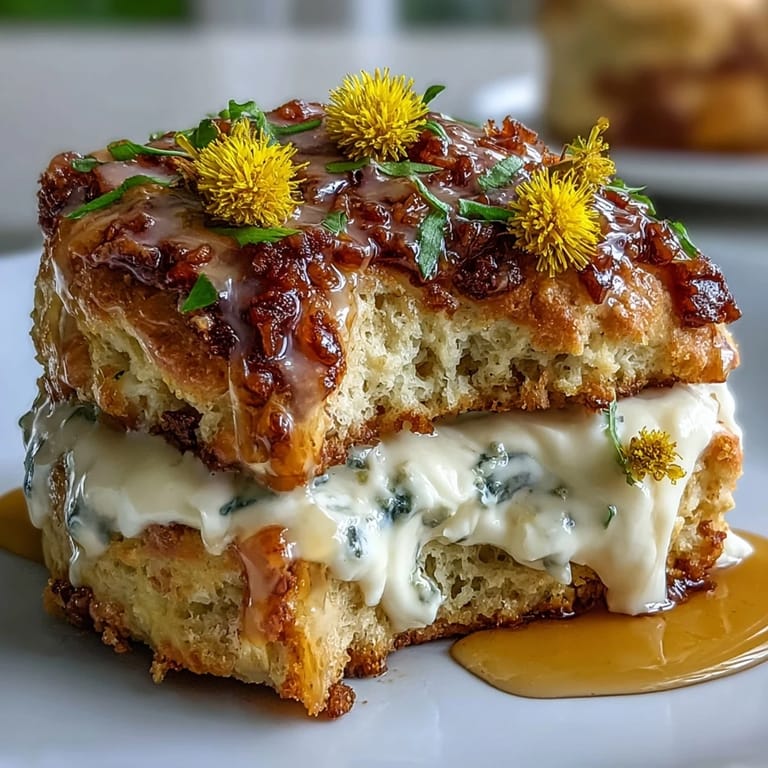
- Remove from the oven and while they're still warm, drizzle with honey and scatter the remaining fresh dandelion petals on top. Serve warm with generous dollops of clotted cream and let people enjoy them at their own pace.
 Save
Save The real magic happened when my five-year-old niece asked if dandelions were really flowers, and I handed her one to taste the petal. Her face lit up like she'd discovered something secret, and suddenly these scones weren't just breakfast—they were a bridge between her world and mine, where weeds become something worth celebrating. That's when I knew this recipe was worth keeping.
The Joy of Foraged Flavors
Using foraged or homegrown ingredients feels like cooking with intention. Dandelions are one of the most underrated flowers in the kitchen, offering a gentle, almost honey-like quality that complements scones perfectly. If you're nervous about using them, start by tasting a single petal first—it should taste slightly sweet, not bitter, and that's your signal that you've chosen the right ones.
Creating the Perfect Scone Texture
The texture of a scone lives in that balance between tender and structured. It's not a cake, which would be heavy and dense, and it's not a biscuit, which would be crisp and flaky—it's something in between, something uniquely British and quietly comforting. The cold butter matters more than you'd think; if it starts to soften while you're mixing, pop everything in the freezer for five minutes and start again.
Make It Your Own
Once you've mastered the basic technique, scones become a canvas for whatever's in season or on your mind. Spring calls for flowers and honey, but summer might ask for lavender or rose petals, and autumn could bring cardamom or a touch of maple. The beauty is that the method stays the same; you're just changing the flavor conversation.
- Try substituting half the milk with Greek yogurt for a slightly tangier crumb and added richness.
- Add a teaspoon of vanilla extract or a pinch of cardamom to the wet mixture if you want deeper flavor complexity.
- If dandelions aren't available or feel too adventurous, edible rose petals work beautifully, or skip the flowers entirely and let the honey be the star.
 Save
Save Baking these scones has become my springtime ritual, a small way to mark the season's arrival and invite people to slow down around a warm plate. They're proof that the best recipes often start as accidents or borrowed ideas, then become yours the moment you bake them with intention and serve them with care.
Recipe FAQs
- → How should dandelion petals be prepared?
Use fresh, pesticide-free yellow petals only. Avoid green parts to prevent bitterness. Gently rinse and pat dry before use.
- → Can I substitute clotted cream?
Yes, mascarpone or lightly whipped cream works well as a creamy alternative.
- → What is the best way to achieve tender scones?
Use cold, cubed butter cut into the flour mixture until it resembles coarse crumbs and avoid overmixing once liquids are added.
- → How should scones be baked?
Bake at 400°F (200°C) for 16–18 minutes until puffed and golden brown for a perfect crust and tender interior.
- → What are enjoyable pairings for these scones?
Floral white teas or light sparkling wines complement the subtle flavors beautifully.