 Save
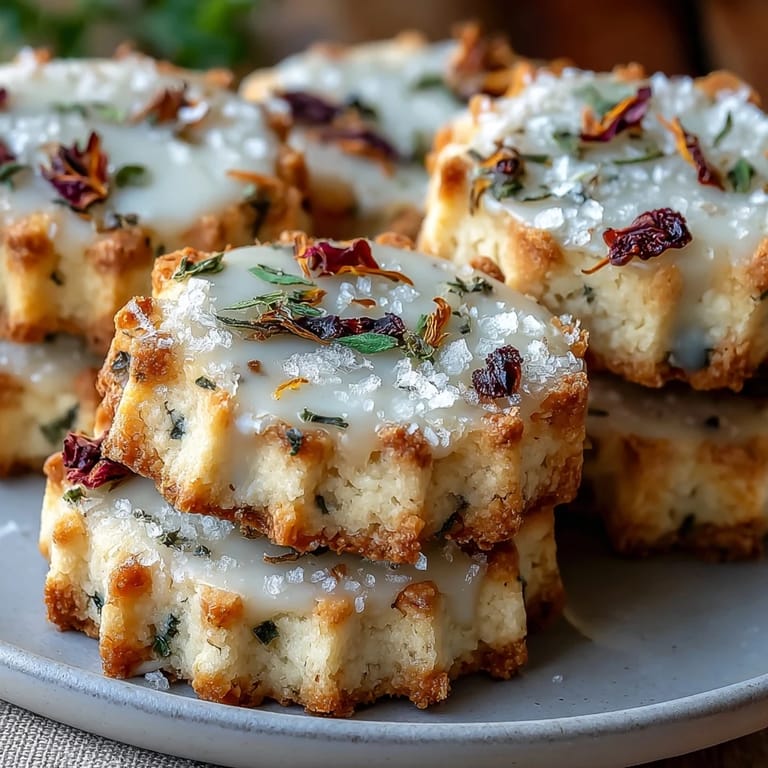
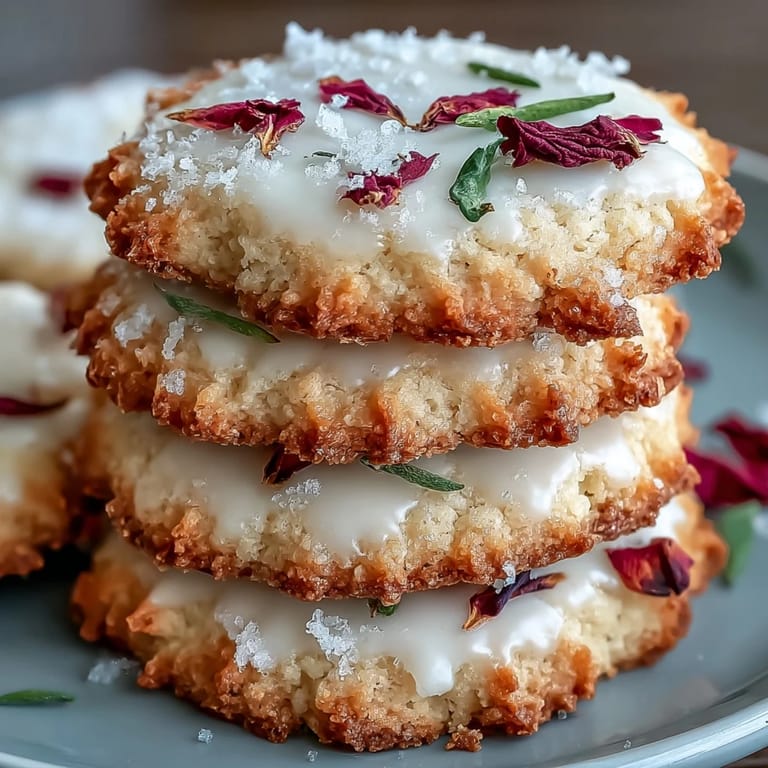
Save The first whisper of spring often arrives not by the calendar, but by the sight of small flowers nudging through the grass outside my kitchen window. One morning, I found myself watching petals lean into a breeze as I creamed together butter and sugar, and it struck me—why not weave some of that season right into my baking? Floral shortbread cookies emerged from that morning, inspired by curiosity and an overflowing window box. The result is a tray of delicate, buttery cookies, each one crowned by an edible blossom. Even now, baking them feels like inviting spring sunshine onto the table.
I still remember nervously setting these out at my first spring tea party, hoping the colors wouldn’t wilt and the shortbread would stay crisp. My niece ran off with two in each hand, grinning, and my aunt asked for the recipe before she’d finished her tea—an undeniable hit. Flour dusted the counters, and every hand that reached for a cookie left behind a little trail of laughter. That afternoon, the kitchen felt warm and festive, alive with chatter around a plate of floral cookies. Sometimes, food really does become the centerpiece for the best kind of chaos.
Ingredients
- Unsalted butter: Let it really come to room temperature for the creamiest, most tender dough—the butter is the heart of these cookies.
- Granulated sugar: Not too much, since the flowers add their own subtle sweetness—beat it in until the mix almost looks whipped.
- All-purpose flour: Sift for a truly melt-in-your-mouth crumb, and stop mixing the moment the dough holds together.
- Fine sea salt: A tiny pinch wonderfully sharpens the buttery flavor, don’t skip it.
- Pure vanilla extract: Use the real stuff for warmth and depth; it makes the shortbread taste like home.
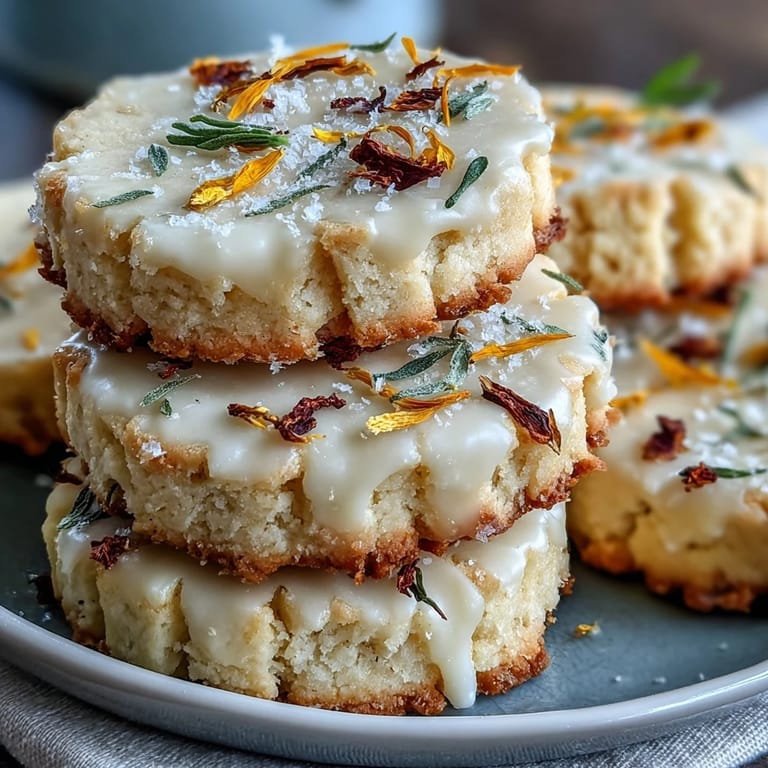
- Edible flowers: Always confirm they’re pesticide-free and edible—pansies, violets, and rose petals work beautifully.
- Egg white (optional): A thin brush before adding flowers helps them adhere and gives a pretty sheen.
- Superfine sugar (optional): A sprinkle on top adds sparkle and a gentle crunch.
Tired of Takeout? 🥡
Get 10 meals you can make faster than delivery arrives. Seriously.
One email. No spam. Unsubscribe anytime.
Instructions
- Cream the butter and sugar:
- Beat the softened butter with sugar until it’s pale, airy, and audible thwacks from the mixer let you know you’re on track.
- Add vanilla:
- Pour in vanilla and briefly blend–the aroma alone is reason enough for this step.
- Mix in dry ingredients:
- Sift flour and salt straight into the bowl; then mix gently just until the dough forms, resisting the urge to overwork it.
- Chill the dough:
- Pat the dough into a disc, wrap in parchment, and chill for at least 30 minutes—this is what ensures neat, melt-in-your-mouth cookies.
- Preheat and prepare:
- Set your oven to 350°F (175°C) and line baking sheets with parchment so nothing sticks.
- Roll and cut:
- On a floured surface, roll dough to about 1/4 inch thick and cut with your favorite cookie cutter—circles or flowers look extra festive.
- Decorate with flowers:
- Gently press an edible flower onto each cookie; for gloss and sticking power, a quick brush of egg white before placing the flower does the trick, then sprinkle with superfine sugar if desired.
- Bake to golden edges:
- Bake for 12–15 minutes, watching for just-barely golden edges—don’t let them fully brown.
- Cool and serve:
- Let cookies cool on the sheet for 5 minutes, then transfer to a rack; admire them as they cool completely, resisting bites if you can.
 Save
Save 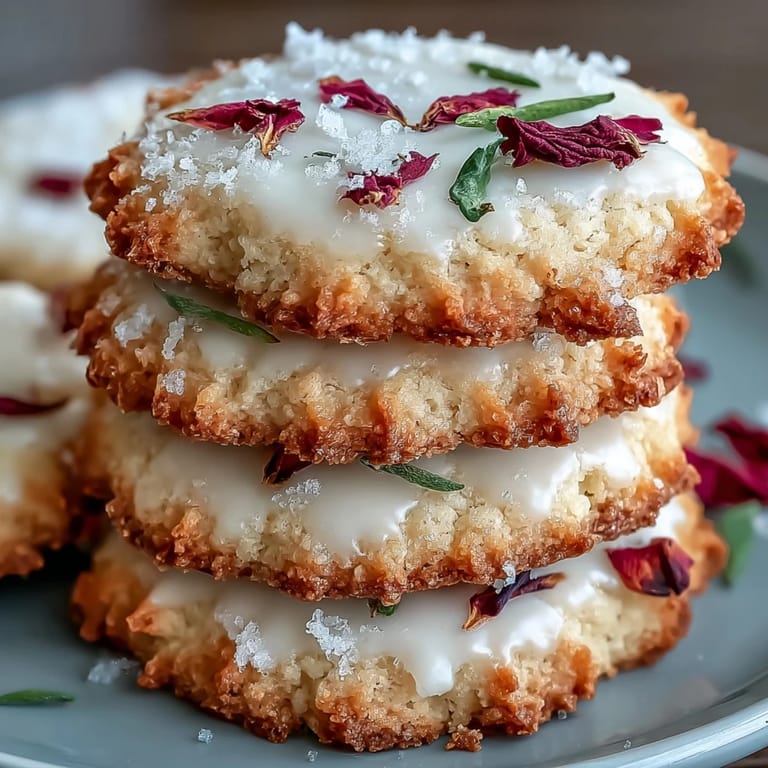 Save
Save When my neighbor brought over a handful of homegrown violets, we laughed about our black thumbs and sprinkled the petals over still-warm cookies—a tiny, joyful rebellion against winter’s gloom. Sharing those first bright bites, I realized how a simple recipe can turn a kitchen into a celebration.
Finding and Prepping Edible Flowers
Nothing beats the feeling of wandering through a farmers market and choosing bright petals for these cookies—the colors alone are irresistible. Always ask your vendor or double-check online to make sure the flowers are both edible and chemical-free. If picking from your own garden, morning is the best time to snip, when petals are hydrated and perky. Gently rinse and pat them dry before using, and trim stems or tough centers so the flowers sit flat on the dough.
Ways to Make Them Your Own
These shortbread cookies are a canvas—try a sprinkle of citrus zest in the dough, or a touch of almond extract for a twist the next time you bake. For extra elegance, mix flower varieties for a wildflower look, or dust the finished tops with a little extra sugar. When I’m feeling playful, I use cut-out shapes to match the occasion—tiny hearts for Valentine’s Day, or even butterflies for a birthday.
Storing and Serving Tips
If you manage not to eat these all at once, they’ll keep their texture best stored in an airtight tin lined with parchment. Wait for the cookies to cool completely before storing to avoid sogginess, and place wax or parchment between layers to protect those delicate flowers. I like serving them on a vintage platter—a simple trick that never fails to make guests smile.
- Store in a cool, dry spot away from sunlight.
- Avoid stacking while they’re still warm so decorations stay pretty.
- Plan to serve within 5 days for the freshest flavor.
 Save
Save  Save
Save May your kitchen smell as lovely as spring, and may these cookies bring as much joy to your table as they have to mine.
Recipe FAQs
- → Which flowers are safe to use?
Choose confirmed edible, pesticide-free blooms such as violets, pansies, calendula or rose petals. Always verify source and avoid flowers from florists unless labeled edible.
- → How do I get petals to stick without a mess?
Lightly brush the cookie tops with a thin layer of egg white or a touch of honey, then gently press the petal in place. Use only a small amount to preserve the shortbread’s texture.
- → Can I add flavor variations?
Add finely grated lemon or orange zest to the dough for a bright citrus lift, or fold in a teaspoon of ground cardamom for a warm floral note that complements the petals.
- → What’s the best way to roll and cut the dough?
Chill the dough 30 minutes for firm handling, roll on a lightly floured surface to about 1/4 inch (6 mm), and use chilled cutters. Return any softened scraps to the fridge before re-rolling.
- → How can I tell when they are done baking?
Bake until the edges are just beginning to turn golden, about 12–15 minutes. Cool on the sheet 5 minutes before transferring to a wire rack to avoid breakage.
- → How should finished pieces be stored?
Keep in an airtight container at room temperature up to five days; separate layers with parchment to protect delicate flowers and maintain crisp edges.