 Save
Save My friend brought hojicha pudding to a dinner party last autumn, and I watched people go silent after their first spoonful. There was something almost meditative about how the roasted tea flavor unfolded on the tongue, earthy and warm without any bitterness. That night, I realized this wasn't just another dessert, it was an experience in simplicity. The custard was impossibly silky, and I knew I had to learn how to make it myself.
I made this for my sister on a quiet Sunday morning when she was going through a rough week. Watching her spoon through that silky custard and genuinely smile felt like the small victory we both needed. She asked me to write down the recipe before she left, and now it's her go-to when she wants to treat herself.
Ingredients
- Whole milk: Use the full fat version, not skim or low-fat, because it carries the roasted tea notes beautifully and creates that luxurious mouthfeel you're after.
- Heavy cream: This is what makes the pudding feel indulgent without being heavy, balancing richness with that delicate custard texture.
- Hojicha loose leaf tea: The roasting process strips away astringency, leaving behind a gentle, toasted nuttiness that works perfectly in custards.
- Granulated sugar: Keep it straightforward, no brown sugar substitutions, as they can mask the subtle tea flavor.
- Large eggs: Room temperature eggs whisk more smoothly and emulsify better with the warm milk, preventing any grainy texture.
- Vanilla extract: Just a teaspoon bridges the gap between the tea's earthiness and the custard's sweetness without taking over.
Tired of Takeout? 🥡
Get 10 meals you can make faster than delivery arrives. Seriously.
One email. No spam. Unsubscribe anytime.
Instructions
- Heat your milk and cream gently:
- Pour both into a saucepan and watch it carefully over medium heat until you see tiny steam wisps rising and a faint bubble forming at the edges, but never let it actually boil. You want it hot enough to steep the tea properly, but careful heat keeps the custard from breaking later.
- Steep the hojicha like you mean it:
- Pour that steaming liquid over your tea leaves and let them sit undisturbed for five to seven minutes, allowing the roasted flavor to fully release. The longer you steep, the deeper and more pronounced the hojicha becomes, so taste as you go if you're experimenting.
- Whisk your sugar and eggs into submission:
- Combine them in a separate bowl and whisk vigorously until the mixture turns pale and slightly fluffy, which takes about two minutes of real effort. This lightness prevents lumps and helps the custard set smoothly.
- Temper those eggs slowly:
- This is the moment that matters most, so resist the urge to rush, pouring the warm hojicha milk in a thin stream while whisking constantly so the heat gently raises the egg temperature without scrambling it. If you pour too fast, you'll end up with scrambled egg soup instead of pudding.
- Strain everything through fine mesh:
- Push the custard through a fine sieve into a clean saucepan to catch any cooked egg bits or tea leaf fragments that might disrupt the silky texture. This extra step is what separates homemade elegance from grainy disappointment.
- Cook over low heat with patience:
- Stir constantly with a spatula, moving it around the bottom and sides of the pan for five to seven minutes until the mixture coats the back of the spoon with a thin film that doesn't immediately run off. This is the only way to know it's truly set without relying on guesswork.
- Cool and chill with intention:
- Pour into your serving vessels while still warm, let them reach room temperature on the counter, then refrigerate for at least two hours until the pudding firms up into that signature silky texture. Patience here is everything, rushing the chill time leaves you with warm custard instead of proper pudding.
 Save
Save There's something almost meditative about making this pudding, the quiet sound of the whisk, the smell of roasted tea filling the kitchen. It reminded me why I fell in love with cooking in the first place, not for complicated techniques, but for the simple pleasure of creating something beautiful that makes people slow down.
The Hojicha Difference
Hojicha tea is roasted green tea, which sounds simple until you realize that roasting process completely transforms the flavor profile. Regular green tea would make this pudding taste vegetal and sharp, but hojicha brings toasted grain notes and a gentle warmth that feels almost cocoa-adjacent without any chocolate. I've tried making this with other teas, and nothing hits quite the same way.
Troubleshooting Your Custard
If your pudding ends up too thin, you either didn't cook it long enough or your eggs weren't quite at the right temperature when the milk went in. If it tastes grainy, that's usually a sign you didn't whisk the eggs enough or you added the milk too quickly. These aren't failures, just information for next time, and honestly, even a slightly imperfect batch still tastes better than store-bought.
Serving and Variations
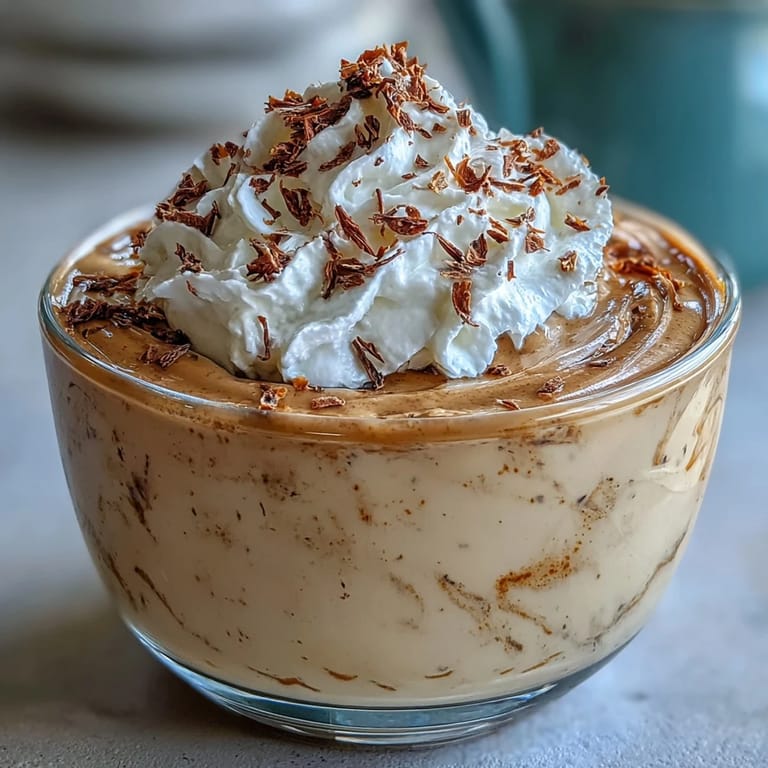
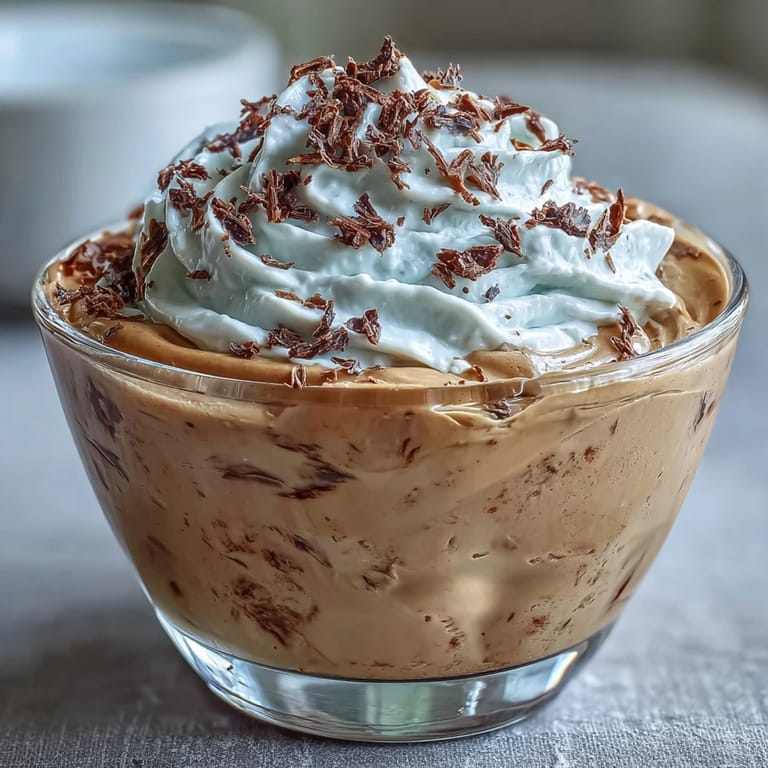
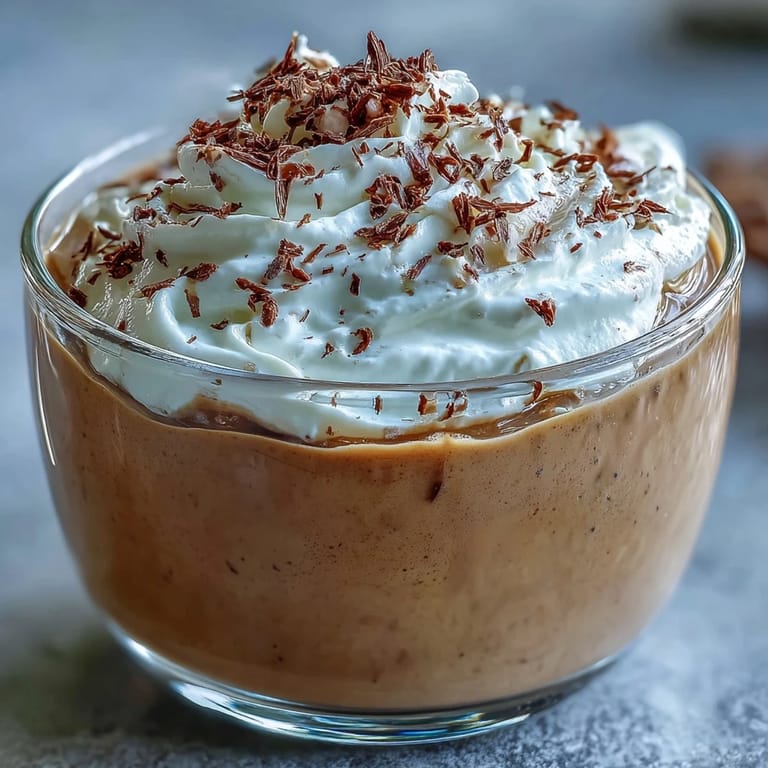
I love serving this in small glasses or shallow ramekins so people can see that beautiful silky surface, topped with a small dollop of whipped cream and a sprinkle of extra roasted tea leaves for drama. You can also drizzle honey over the top, scatter fresh berries across, or keep it completely bare if you want the hojicha flavor to shine through without distraction. The vegan version using cornstarch instead of eggs actually works beautifully if you need it to be dairy-free, though the texture is slightly less custardy and more custard-pudding-like in the best way.
- Make a hojicha powder version by whisking two teaspoons of powdered hojicha directly into the milk instead of steeping leaves, which gives you a more intense tea flavor.
- Prepare these up to three days ahead, covering them tightly in the refrigerator so the flavors deepen even more as they sit.
- Serve them chilled straight from the refrigerator, but let them sit at room temperature for five minutes if you want the custard to taste even creamier.
 Save
Save This pudding has become my secret weapon for when I want to feel like a real cook without spending hours in the kitchen. Make it once, and you'll understand why my friend brought it to that dinner party.
Recipe FAQs
- → What makes hojicha unique in desserts?
Hojicha is roasted green tea that develops deep toasty, nutty flavors with lower caffeine content. Unlike matcha's grassy notes, hojicha offers caramel-like earthiness that pairs beautifully with creamy custards and desserts.
- → Can I use hojicha powder instead of loose leaves?
Absolutely. Substitute 2 teaspoons of hojicha powder and whisk it directly into the warm milk mixture. Powder creates a more intense color and flavor distribution, though loose leaves provide a cleaner, smoother finish.
- → Why did my custard curdle?
Curdling occurs when eggs cook too quickly. Always temper the eggs by gradually adding warm liquid while whisking constantly. Cook over low heat and stir continuously—never let the mixture boil. Remove from heat once it coats a spoon.
- → How long should I steep the tea?
Steep for 5–7 minutes after removing from heat. This extraction time delivers robust roasted flavor without bitterness. Longer steeping may create astringent notes that compete with the creamy base.
- → Can I make this vegan?
Yes. Replace whole milk with coconut milk and heavy cream with plant-based cream. Substitute the 2 eggs with 2 tablespoons cornstarch dissolved in a bit of cold liquid before adding to the warm tea mixture. The texture remains creamy and luxurious.