 Save
Save There's something about the smell of salmon hitting hot oil that signals to me dinner is going to be good. I discovered this sheet pan method on a Tuesday evening when I had four people coming over and absolutely no energy for multiple pans and a sink full of dishes. Twenty minutes later, my kitchen smelled incredible, the table was set, and everyone was reaching for seconds before I'd even sat down. Now it's become my go-to when I want to look like I've put in effort without actually stressing in the kitchen.
I remember my sister asking if I'd hired a caterer when I brought this to her place for a casual dinner. When I told her it took fifteen minutes to prep and twenty to cook, she didn't believe me. The next week she made it herself and texted me a photo of an empty plate with just a thumbs up emoji. That's when I knew this recipe had crossed over from useful to something people actually want to eat.
Ingredients
- Salmon fillets (6 oz each): The star of the show—make sure they're relatively the same thickness so they cook evenly, and don't stress about removing the skin yourself since skinless fillets save you that step.
- Olive oil: This is your flavor delivery system, so don't be shy with it; it keeps the salmon moist and helps everything else get those golden, toasted edges.
- Lemon (zest and juice): The brightness that makes you go back for another bite—zest the lemon before you cut it in half, or you'll be frustrated trying to zest a juice-covered half.
- Fresh dill: If you can find it fresh, use it; if not, dried works perfectly fine and actually packs more flavor intensity in a smaller amount.
- Garlic powder: Minced fresh garlic burns too easily on the high heat, so powder is your friend here and distributes more evenly anyway.
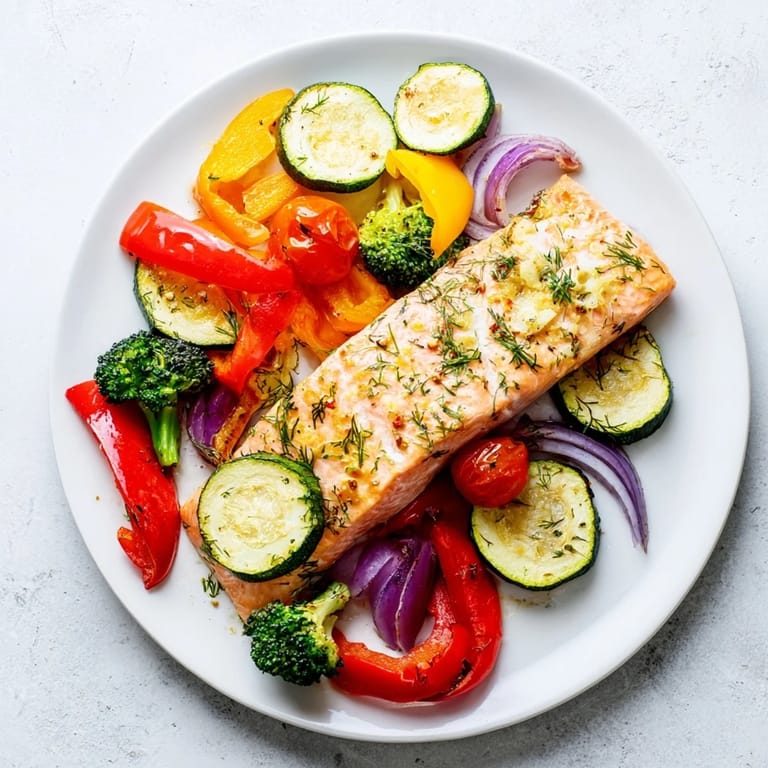
- Red and yellow bell peppers: They add sweetness and color, and honestly half the joy of this dish is how vibrant it looks coming out of the oven.
- Red onion: Cut into wedges, not thin slices, so they stay structured and don't disappear into everything else.
- Zucchini: Slice it into rounds instead of half-moons so the pieces cook through in the time it takes the salmon to finish.
- Cherry tomatoes: Halving them means they burst slightly and release their flavor into the whole pan without turning into sad mush.
- Broccoli florets: Keep them on the smaller side so they actually get tender in twenty minutes instead of looking steamed and disappointed.
Tired of Takeout? 🥡
Get 10 meals you can make faster than delivery arrives. Seriously.
One email. No spam. Unsubscribe anytime.
Instructions
- Get your pan ready:
- Preheat your oven to 425°F and line a large sheet pan with parchment paper or foil—this isn't just for easy cleanup, it's also insurance against anything sticking. You want a pan with at least a small lip on the sides to catch any oil that wants to escape.
- Make your oil mixture:
- Combine olive oil, lemon zest, juice, dill, garlic powder, salt, and pepper in a small bowl and whisk it together until it's all incorporated. This is your liquid gold, and it's doing the heavy lifting flavor-wise.
- Start with the vegetables:
- Spread all your chopped vegetables across the pan and drizzle with half the oil mixture, then toss everything with your hands so each piece gets coated. Arrange them so there's some space for the salmon to nestle in without everything being too crowded.
- Add the salmon:
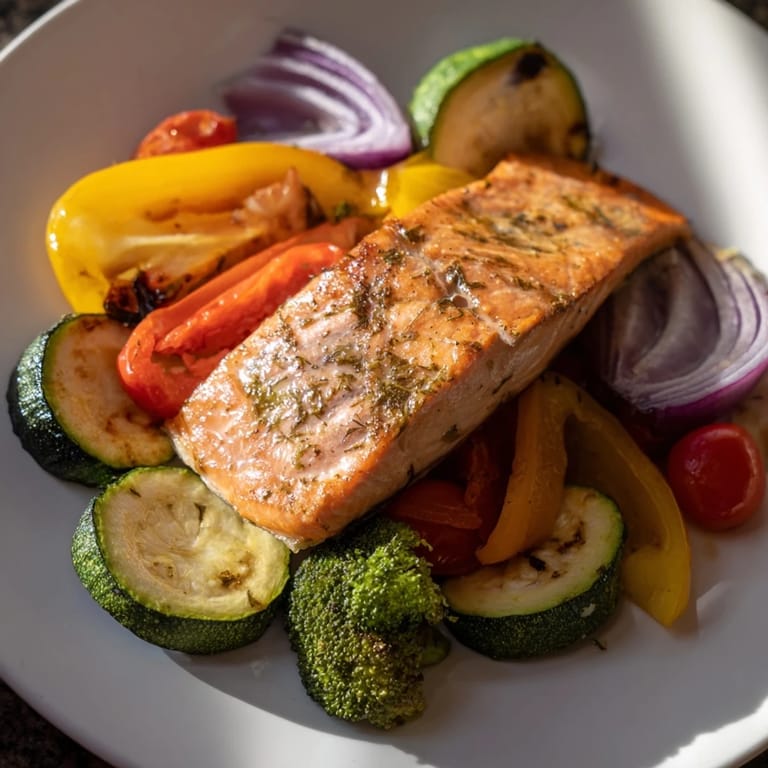
- Place the fillets among the vegetables, brush each one with the remaining oil mixture, and take a second to appreciate how beautiful this looks before it goes in the oven. This is the moment where it stops looking like ingredients and starts looking like dinner.
- Roast everything together:
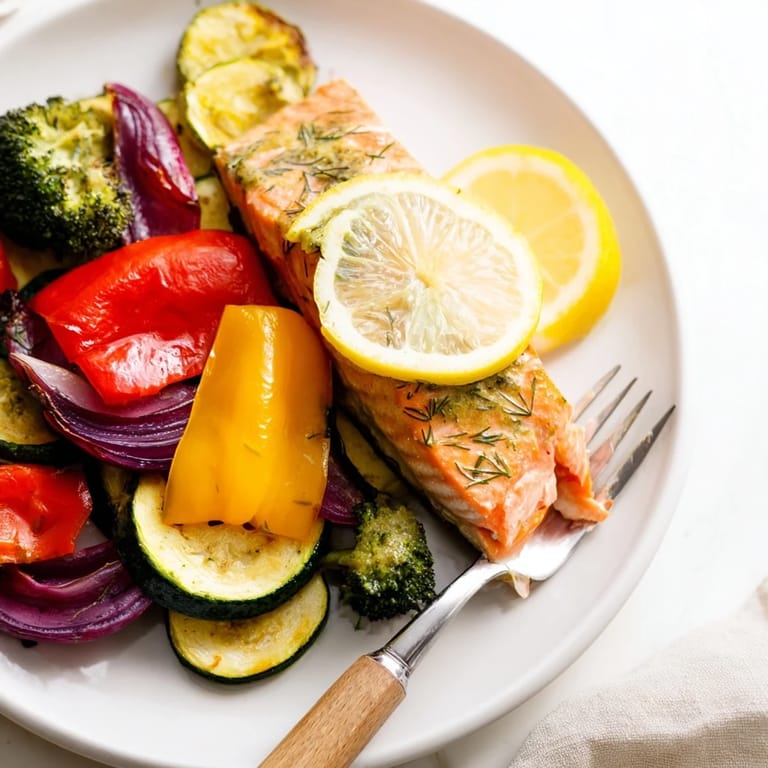
- Pop it in the oven for 18–20 minutes—you'll know it's done when the salmon flakes easily if you press a fork to the thickest part, and the vegetables have some color on the edges. Don't peek too much; every time you open the oven you let heat escape.
- Finish and serve:
- Pull it out, scatter fresh parsley over everything if you have it, squeeze a lemon wedge over the top, and serve it straight from the pan if you're feeling casual. If anyone compliments your cooking, just smile and enjoy it.
 Save
Save The first time I made this for my nephew, he actually ate vegetables without complaining because they tasted like butter and lemon instead of like responsibility. His mom looked at me like I'd performed magic. That's when I realized this recipe works because everything tastes like it was chosen to be together, not like separate things that happen to be on the same plate.
Choosing Your Vegetables
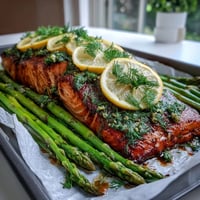
The beauty of this recipe is that you're not locked into any specific vegetable—think of these ingredients as a template. Asparagus is stunning on a sheet pan and cooks faster than you'd expect, green beans stay crisp and delicious, and carrots cut on a bias get these caramelized edges that are almost candy-like. The only rule is that whatever you choose should be cut roughly the same size so everything finishes at the same time. I've made this with whatever was on sale or in my crisper drawer, and it's never disappointed.
Flavor Variations Worth Trying
Once you've made this basic version a few times, you'll start getting ideas. Sprinkle feta cheese over everything right before serving and suddenly it feels Mediterranean. Add capers for a salty, briny note that makes the salmon taste more sophisticated. Try different herbs—tarragon gives it a French vibe, rosemary makes it earthy and warm, or cilantro with lime instead of lemon takes you somewhere completely different. The foundation is solid enough that you can play with it without it falling apart, which is the mark of a truly useful recipe.
Making It Work for Your Table
This is one of those dishes that translates easily across different diets and preferences without feeling like you're cooking multiple meals. It's naturally gluten-free, pescatarian, and keto-friendly if you load up on vegetables and skip any starch. I've served it to people avoiding carbs, people recovering from food poisoning who needed something gentle, and hungry athletes who needed serious protein, and everyone felt like the meal was made with them in mind. The one thing I always ask is about allergies—shellfish contamination can happen, and some people are sensitive to fish in ways that matter, so it's worth checking before you start.
- A crisp white wine like Sauvignon Blanc or light Chardonnay is your friend here, cutting through the richness beautifully.
- If anyone at your table is avoiding alcohol, sparkling water with lemon tastes almost celebratory.
- Leftover salmon reheats gently in a 350°F oven for about five minutes, and tastes just as good the next day for lunch.
 Save
Save This recipe became a staple in my kitchen because it solves the problem of wanting to feed people something that tastes like you care without actually spending your whole evening cooking. It's turned out the same beautiful, delicious way every single time I've made it, which is all you really want from a recipe.
Recipe FAQs
- → What is the ideal oven temperature for roasting?
Preheat the oven to 425°F (220°C) for optimal roasting to get tender salmon and perfectly cooked vegetables.
- → Can I swap the listed vegetables for others?
Yes, seasonal vegetables like asparagus, green beans, or carrots can be used based on availability and preference.
- → How should the salmon be seasoned?
The salmon is seasoned with a blend of olive oil, lemon zest, lemon juice, dill, garlic powder, salt, and black pepper for bright and savory flavors.
- → Is it necessary to use parchment paper on the sheet pan?
Using parchment paper or foil helps with easy cleanup and prevents sticking, but it's optional based on your pan’s quality.
- → What sides or drinks pair well with this dish?
A crisp Sauvignon Blanc or light Chardonnay pairs nicely, and a simple green salad complements the meal well.