 Save
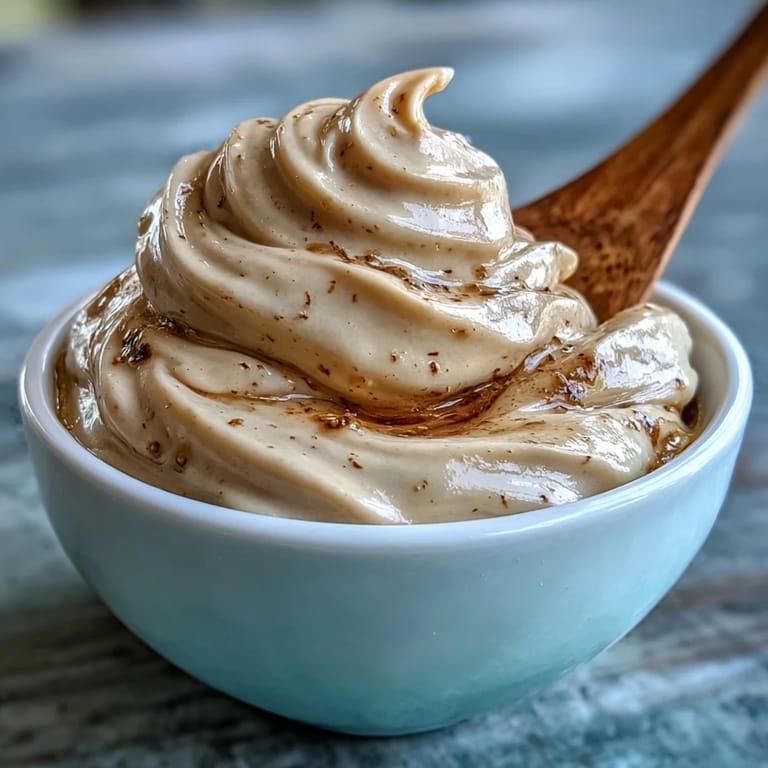
Save There's a particular moment in late autumn when the air shifts and suddenly hojicha—that deeply roasted Japanese tea—tastes like the season itself. I discovered this pastry cream entirely by accident, really, while standing in a Tokyo kitchen with a friend who casually suggested adding her favorite tea to crème pâtissière. What emerged was silky, nutty, and nothing like the vanilla custards I'd known my whole life. The toasted tea brought this mellow warmth that felt sophisticated without trying too hard, and I've been making it ever since for anyone willing to taste something a little unexpected.
I made this for a dinner party where I was genuinely nervous about the hojicha element—would people find it strange?—but watching someone close their eyes after the first bite and say it tasted like "autumn felt as a flavor" made the whole thing worth it. Since then, it's become my secret weapon for feeling like I'm doing something refined when really I'm just steeping tea and whisking custard.
Ingredients
- Whole milk (2 cups / 480 ml): Use fresh, full-fat milk because the dairy richness carries the hojicha flavor beautifully and prevents the custard from tasting thin or watery.
- Unsalted butter (3 tablespoons / 40 g): This added at the end gives the cream its silky finish and prevents any grainy texture from the egg yolks.
- Hojicha loose leaf tea or tea bags (3 tablespoons / about 5 g): The roasted tea is the whole point here—seek out quality hojicha because delicate blends will shine through in the final flavor.
- Large egg yolks (4): These are your custard's foundation, creating that luxurious body and emulsifying everything together.
- Granulated sugar (1/2 cup / 100 g): Enough to balance the hojicha's subtle bitterness without making this cloyingly sweet.
- Cornstarch (3 tablespoons / 25 g): This thickens the cream to the right consistency and prevents curdling if your heat wavers slightly.
- Vanilla extract (1/2 teaspoon) and salt (pinch): The vanilla whispers in the background while salt amplifies everything else and keeps the flavor from tasting one-dimensional.
Tired of Takeout? 🥡
Get 10 meals you can make faster than delivery arrives. Seriously.
One email. No spam. Unsubscribe anytime.
Instructions
- Steep the tea into warm milk:
- Heat your milk over medium until you see small wisps of steam rising—you want it hot but not boiling, which would crack the delicate tea flavor. Add the hojicha, pull off the heat, cover, and let it sit for 10 minutes while the whole kitchen smells like toasted grain and autumn.
- Strain out the tea leaves:
- Pour through a fine mesh sieve and press gently on the leaves with the back of a spoon to squeeze out every bit of that golden-brown liquid. You should have about 2 cups of fragrant, lightly colored milk.
- Whisk egg yolks with sugar and starch:
- In a separate bowl, combine egg yolks, sugar, cornstarch, and salt, whisking until the mixture is pale and smooth. This step is crucial—you're creating a thick paste that will accept the warm milk without scrambling the eggs.
- Temper the eggs with warm milk:
- Pour the hojicha milk into the yolk mixture very slowly, whisking constantly the entire time. This gradual heating prevents the eggs from cooking too quickly and scrambling, and it's honestly meditative to do by hand.
- Cook the custard until thick:
- Return everything to the saucepan over medium heat and whisk constantly until the mixture bubbles gently and coats the back of a spoon. This takes about 2 to 3 minutes and you'll feel the moment it thickens—trust that instinct and don't walk away.
- Add butter and vanilla:
- Remove from heat and whisk in the butter and vanilla extract until completely smooth and incorporated. The residual heat will help the butter emulsify into the cream.
- Press plastic directly onto the surface:
- Transfer the warm pastry cream to a bowl and press a piece of plastic wrap flat against the top. This prevents that papery skin from forming, which nobody wants.
- Chill thoroughly:
- Refrigerate for at least 1 hour, though 2 hours is even better if you have the time. The cream will set up beautifully and be ready to use.
 Save
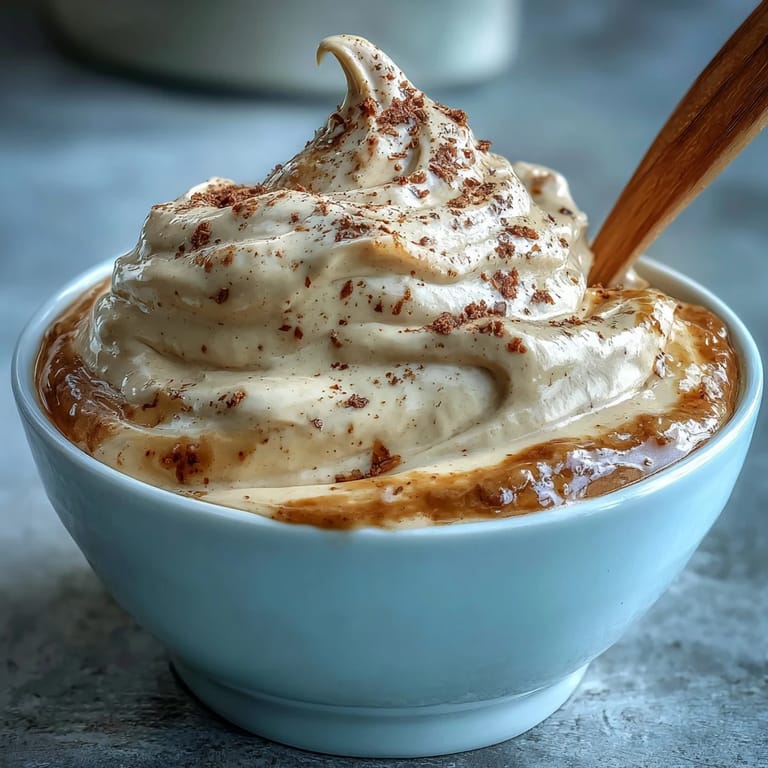
Save What surprised me most was how this cream tasted even better the next day, as if the hojicha flavors had time to settle and deepen. It's one of those recipes that works harder when you let it rest.
Making It Lighter
If you want something less dense—which honestly is beautiful for summer or when serving alongside other rich desserts—fold in an equal volume of whipped cream right before using. The hojicha flavor stays clear and the texture becomes almost cloud-like. I've done this for afternoon tea parties and watched people ask for seconds in a way they never do with regular pastry cream.
Hojicha Powder as an Alternative
You can use 2 teaspoons of hojicha powder instead of loose leaf tea, which saves you the straining step and is convenient when you're in a hurry. Whisk the powder directly into the milk once it's warm, and it dissolves into a smooth cream without any texture. The flavor is slightly more concentrated this way, so I sometimes use just 1.5 teaspoons if the powder is particularly intense.
Pairing and Serving Suggestions
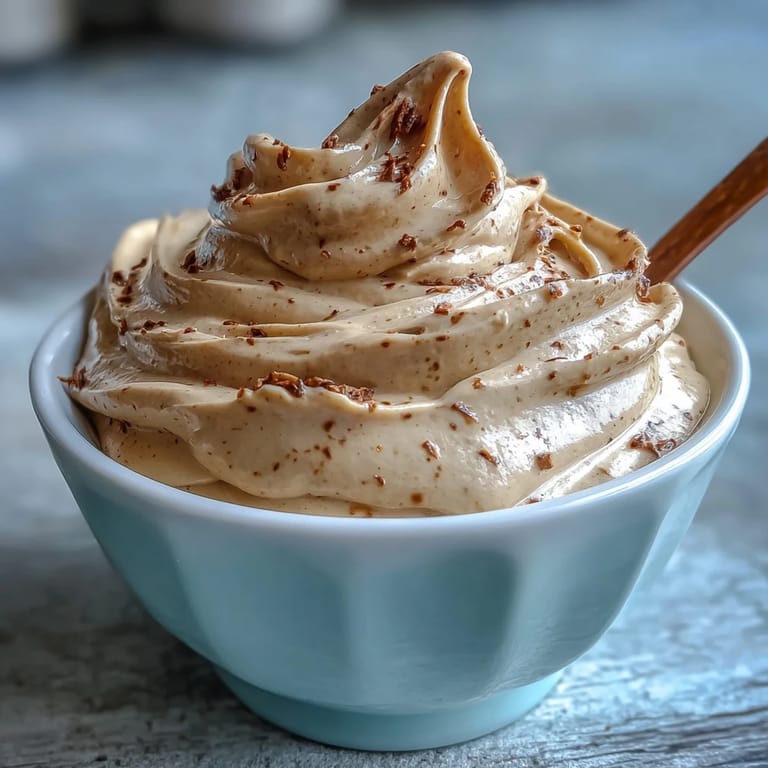
This cream truly shines in elegant applications where its subtle toasted flavor can stand out rather than hide in a crowd. Think matcha choux pastry with hojicha filling, or layered into a white cake where the contrast is striking. You can also use it as a base cake filling, pipe it into small tarts, or fold it into whipped cream as a topping for fruit.
- Matcha and hojicha together create a beautiful Japanese tea flavor pairing that feels intentional and sophisticated.
- Fill it into delicate cream puffs made with just egg, butter, flour, and water for maximum contrast between crispy and silky.
- Let chilled pastry cream come to room temperature before piping to make it easier to work with.
 Save
Save This pastry cream taught me that the most unexpected flavor combinations often become the ones you return to again and again. Making it now feels like a small ritual, something that turns an ordinary pastry into something that tastes like intention.
Recipe FAQs
- → What makes hojicha pastry cream different from traditional vanilla pastry cream?
Hojicha adds roasted, nutty notes with subtle smokiness that you won't find in vanilla versions. The Japanese tea creates a more complex flavor profile while maintaining the same silky texture as classic crème pâtissière.
- → Can I make this pastry cream ahead of time?
Absolutely. In fact, the flavors develop and improve after chilling. Keep it refrigerated with plastic wrap pressed directly on the surface for up to 3 days. Whisk briefly before using to restore smoothness.
- → What desserts work best with hojicha pastry cream?
This filling shines in cream puffs and éclairs, but also works beautifully layered in parfaits, folded into whipped cream for lighter mousses, or spread between cake layers. Try pairing with matcha-flavored pastries for a stunning tea-inspired dessert.
- → Why do I need to temper the eggs with the hot milk?
Tempering prevents the eggs from cooking and forming curds when combined with the hot liquid. Adding the warm milk gradually while whisking constantly raises the egg temperature gently, ensuring a smooth, creamy final texture.
- → Can I substitute hojicha powder for loose leaf tea?
Yes. Use 2 teaspoons of hojicha powder and whisk it directly into the milk without straining. This method is faster and creates a more intense flavor, though you may notice slight sediment in the finished cream.
- → How do I know when the pastry cream is properly thickened?
The mixture is ready when large bubbles break the surface and it holds thick trails when you drag the whisk through it. This usually takes 2-3 minutes of constant whisking over medium heat.