 Save
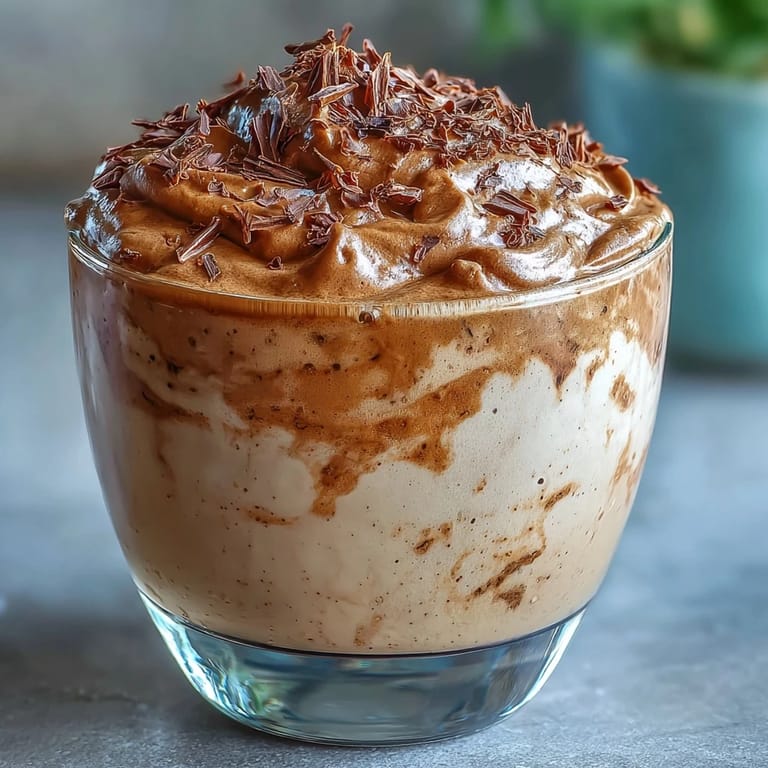
Save A colleague at a tea shop handed me a small cup of hojicha one autumn afternoon, and I was struck by how it tasted like toasted grain and earth all at once. That evening, I wondered if I could capture that warmth in something lighter, something that would melt on the tongue instead of just sitting in a cup. This mousse was born from that curiosity, and it's become the dessert I make when I want to impress without the heaviness of cream.
I made this for a dinner party where someone mentioned they were tired of heavy desserts, and watching their face when they tasted it was worth every careful fold of egg white. The mousse wobbled slightly in the glass, catching the candlelight, and suddenly it felt like I'd made something that belonged in a proper restaurant. That night taught me that restraint and precision can be just as impressive as complexity.
Ingredients
- Hojicha tea leaves: The foundation of this whole dessert, and quality matters here because you're tasting it directly without many other flavors to hide behind.
- Whole milk: Acts as the canvas for the hojicha, and its slight sweetness balances the tea's roasted edge.
- Eggs, separated: The yolks create a silky base through the gentle heat of the bain-marie, while the whites give the mousse its cloud-like structure.
- Granulated sugar: Split between the yolk mixture and the whites, it helps create that glossy, stable meringue you need for a mousse that actually holds.
- Vanilla extract: Just enough to whisper in the background and round out the hojicha's roasted tones.
- Cornstarch: A small amount thickens the custard without needing cream, keeping everything lean and elegant.
- Powdered gelatin: The invisible hero that keeps your mousse from collapsing once it's chilled.
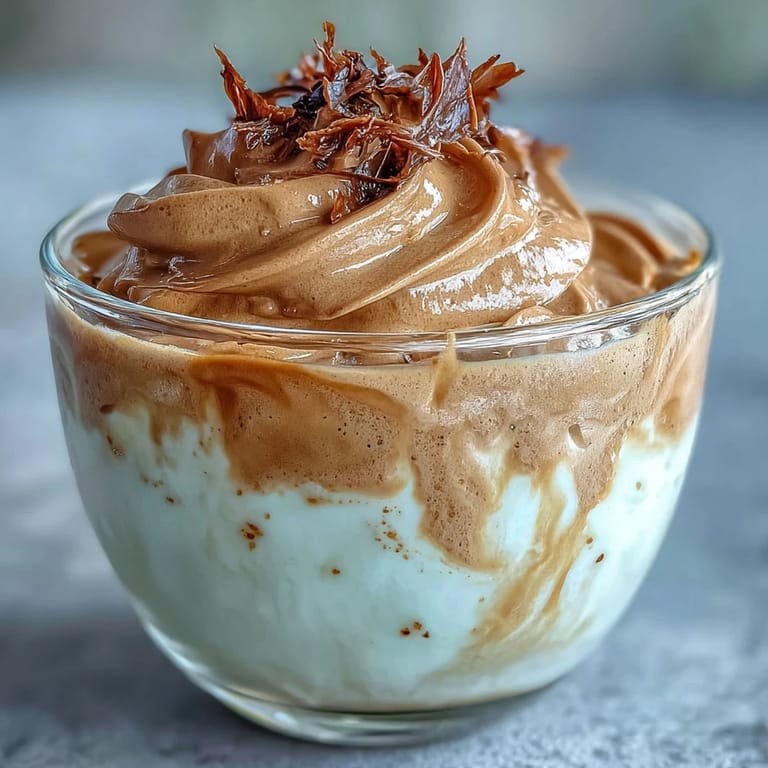
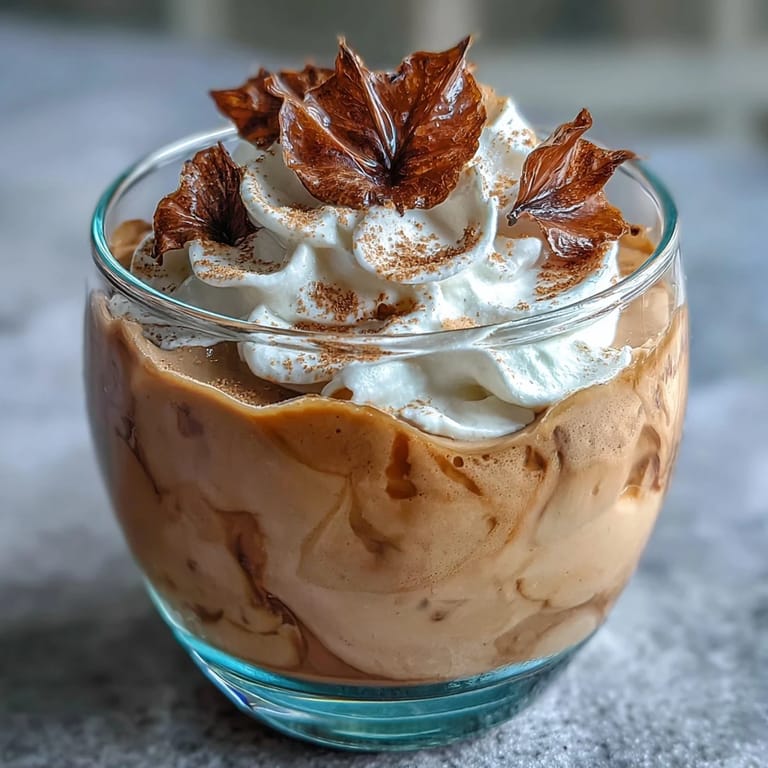
- Toasted hojicha tea leaves or cocoa nibs: Optional garnish that adds a little crunch and reminds you what you're eating.
Tired of Takeout? 🥡
Get 10 meals you can make faster than delivery arrives. Seriously.
One email. No spam. Unsubscribe anytime.
Instructions
- Infuse the milk with hojicha:
- Heat the milk until steam rises from the surface, then pour it over the tea leaves and let them steep covered for ten minutes. This gentle method extracts the flavor without bitterness, and the kitchen will smell incredibly inviting while you wait.
- Prepare the gelatin:
- Sprinkle it over cold water and let it sit untouched for five minutes so it can absorb the liquid fully. This blooming step is what keeps the mousse from being grainy later.
- Build the custard base:
- Whisk the yolks with half the sugar and cornstarch until the mixture pales and thickens slightly, then slowly add the warm hojicha milk while whisking constantly. The slow pour is crucial because you're tempering the eggs, not scrambling them.
- Cook over gentle heat:
- Set your bowl over simmering water and whisk patiently as the mixture thickens enough to coat the back of a spoon, about three to five minutes. You'll feel the change in your wrist as the custard becomes less watery and gains body.
- Dissolve the gelatin:
- Remove from heat and stir in the bloomed gelatin until it vanishes completely into the hot custard, then add vanilla. Let this cool at room temperature, stirring now and then so it cools evenly.
- Make your meringue:
- In a spotlessly clean bowl, beat the egg whites until soft peaks form, then gradually add the remaining sugar while beating until the peaks become glossy and stiff. Overbeating at this stage is almost impossible, and you want them solid enough to hold the mousse's structure.
- Fold with care:
- Add the whites to the hojicha mixture in three additions, using a rubber spatula to fold gently from the bottom up each time. The last fold or two will still have visible streaks of white, and that's better than overworking the whole thing into deflation.
- Set in the cold:
- Spoon into glasses or ramekins and refrigerate for at least two hours until the mousse is set but still has a slight jiggle to it. You can make this in the morning and chill it all day if that works better for your timeline.
- Finish before serving:
- Scatter a few toasted hojicha leaves or cocoa nibs on top just before you serve if you want that little textural surprise. It's optional, but it transforms the presentation from simple to intentional.
 Save
Save A friend visiting from Japan took one spoonful and smiled in a way that told me I'd gotten something right, something she recognized from home. In that moment, the dessert became more than just food, it was a small bridge between kitchens and languages.
Why Hojicha Changes Everything
Hojicha is roasted, not steamed like green tea, which gives it a completely different personality. It has this nutty, almost coffee-like quality that feels warm instead of bright, and it's far less astringent so it won't make your mouth dry the way some teas do. When you steep it in warm milk, those roasted notes bloom into something almost comforting, which is why this mousse feels like it belongs on a cool evening or as the finale to something special.
The Science of a Weightless Mousse
The magic here is that you're using egg white foam to create volume instead of whipped cream, and gelatin to set it instead of relying on fat. This approach takes more technique but delivers something that actually tastes like what you put in it, pure and clear. The custard base gives richness through yolks and cornstarch, so nothing feels stingy or compromised, it's just deliberate.
Making It Your Own
Once you understand how this mousse works, the door opens to variations. Some people infuse the milk with different things, others serve it with specific accompaniments that change the whole mood of the dessert. The foundation is solid enough that you can build something personal on top of it.
- For a dairy-free version, oat milk works beautifully and carries the hojicha flavor just as well as regular milk.
- If you're uncertain about raw egg whites, pasteurized eggs are widely available and work identically in this recipe.
- Make this up to one day ahead and it keeps perfectly sealed in the refrigerator, so it's an ideal choice when you want elegance without last-minute stress.
 Save
Save This dessert asks for a little patience and attention, but it rewards you with something that tastes like refinement in a spoon. Make it when you want to cook something that feels both simple and a little bit special.
Recipe FAQs
- → What gives this mousse its unique flavor?
The distinctive roasted notes come from hojicha tea, which is steeped in warm milk to impart deep, toasty flavors throughout the mousse.
- → How is the mousse texture achieved without heavy cream?
Whipped egg whites folded into the fragrant hojicha-infused base create a light, airy texture while gelatin helps it set smoothly without cream.
- → Can I make a dairy-free version?
Yes, substituting the whole milk with almond or oat milk works well, preserving the delicate flavor profile while keeping it creamy.
- → What is the purpose of soaking gelatin in cold water?
Blooming gelatin in cold water softens it so it can dissolve fully into the warm mixture, ensuring a smooth and stable mousse.
- → How long should the mousse be chilled?
Chilling for at least 2 hours allows the mousse to set properly and develop its delicate texture and flavor.
- → Are there any suggested garnishes?
Toasted hojicha tea leaves or cocoa nibs add a subtle crunch and deepen the roasted notes, enhancing both texture and appearance.