 Save
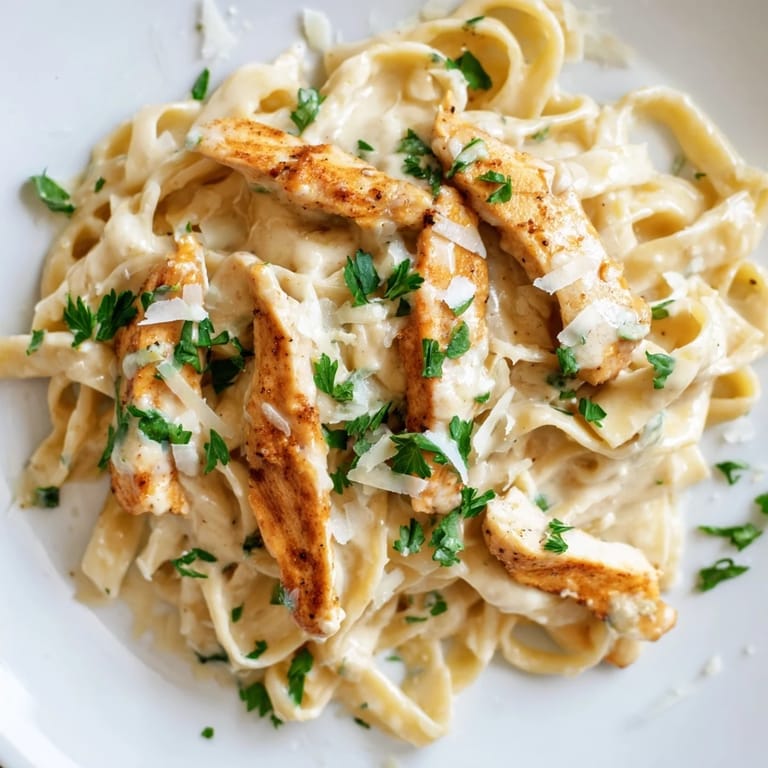
Save My cousin brought this dish to a potluck without telling anyone what it was, and the entire pan was gone before the main course even started. The combination of heat and cream seemed impossible until I tasted it myself—sharp spice cut through by butter and cheese, with tender chicken that had soaked up all that Cajun fire. I asked her for the recipe that night, scribbled it on a napkin, and made it the very next weekend. It's been my go-to ever since when I want something impressive without spending hours in the kitchen.
I made this for my partner's birthday dinner last spring, and he still talks about it. He's not big on spicy food, so I went light on the Cajun seasoning and skipped the red pepper flakes entirely. Watching him go back for seconds—then thirds—told me everything I needed to know. Now it's become our celebration meal, the thing I make when we want to mark something special without leaving the house.
Ingredients
- Boneless, skinless chicken breasts: I pound them to an even thickness so they cook uniformly and stay juicy, no dry edges or raw centers.
- Cajun seasoning: The backbone of the dish—look for one with paprika, garlic, and cayenne, or make your own if you want control over the salt.
- Olive oil: Just enough to get a good sear on the chicken without making it greasy.
- Fettuccine or linguine: Wide noodles hold onto the sauce better than thin ones, and they look more elegant on the plate.
- Unsalted butter: Gives you control over the saltiness, especially since Parmesan and Cajun seasoning already bring plenty.
- Garlic: Fresh cloves are worth it here—the quick saute in butter makes them sweet and fragrant, not sharp.
- Heavy cream: This is what makes the sauce luxurious and thick enough to cling to every strand of pasta.
- Parmesan cheese: Freshly grated melts smoother and tastes sharper than the pre-shredded stuff, which often has anti-caking agents.
- Black pepper and salt: Simple, but essential for balancing the richness and bringing all the flavors into focus.
- Red pepper flakes: Optional, but they add a slow-building heat that lingers pleasantly without overwhelming.
- Fresh parsley: A handful of green at the end brightens the whole dish and makes it look like you tried harder than you did.
Tired of Takeout? 🥡
Get 10 meals you can make faster than delivery arrives. Seriously.
One email. No spam. Unsubscribe anytime.
Instructions
- Cook the pasta:
- Bring a large pot of salted water to a rolling boil and add your fettuccine, stirring occasionally so it doesn't clump. Reserve half a cup of that starchy pasta water before draining—it's your secret weapon for adjusting the sauce later.
- Prepare the chicken:
- Pat the chicken breasts completely dry with paper towels, then rub the Cajun seasoning all over, pressing it in so it sticks. A dry surface helps you get that beautiful golden crust.
- Sear the chicken:
- Heat olive oil in a large skillet over medium-high heat until it shimmers, then lay the chicken in gently and resist the urge to move it around. Let it cook undisturbed for 5 to 6 minutes per side until you see a deep caramelized crust and the internal temperature hits 165°F, then remove and let it rest before slicing into strips.
- Make the Alfredo sauce:
- In the same skillet, melt butter over medium heat and add minced garlic, stirring constantly for about 30 seconds until it smells sweet and toasty. Pour in the heavy cream, whisking gently, and bring it to a gentle simmer without letting it boil or it might break.
- Finish the sauce:
- Stir in the Parmesan, black pepper, salt, and red pepper flakes if you're using them, and let everything simmer for 2 to 3 minutes until the sauce thickens enough to coat the back of a spoon. If it gets too thick, add reserved pasta water a tablespoon at a time until it loosens up.
- Combine everything:
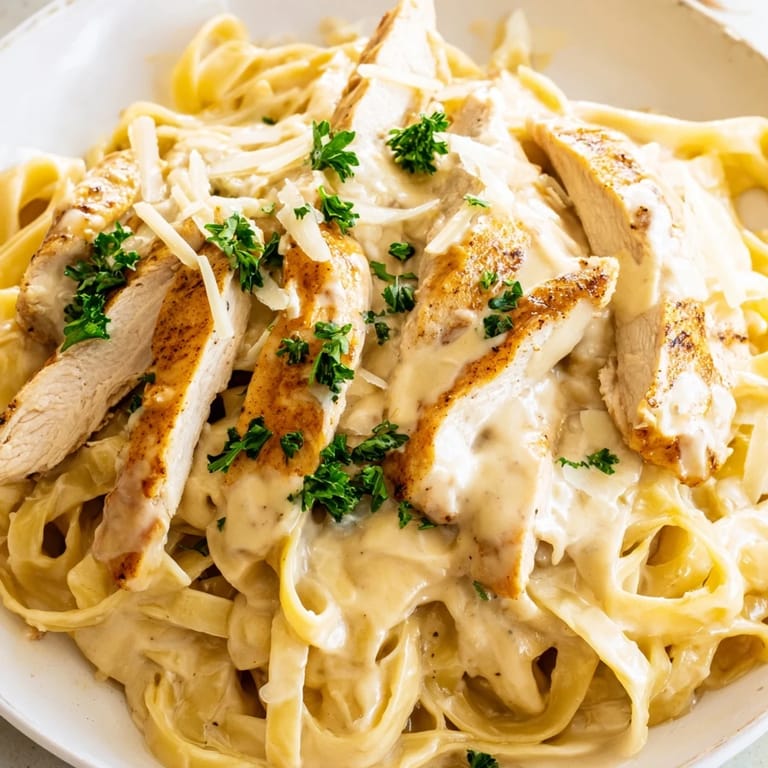
- Toss the cooked pasta into the skillet and stir until every strand is coated in that creamy sauce, then add the sliced Cajun chicken and toss again. The heat from the pasta will warm the chicken back up perfectly.
- Serve:
- Divide among bowls or plates immediately, then finish with a sprinkle of chopped parsley and extra Parmesan. Serve it hot, because this dish is at its best when the sauce is still silky and clinging to everything.
 Save
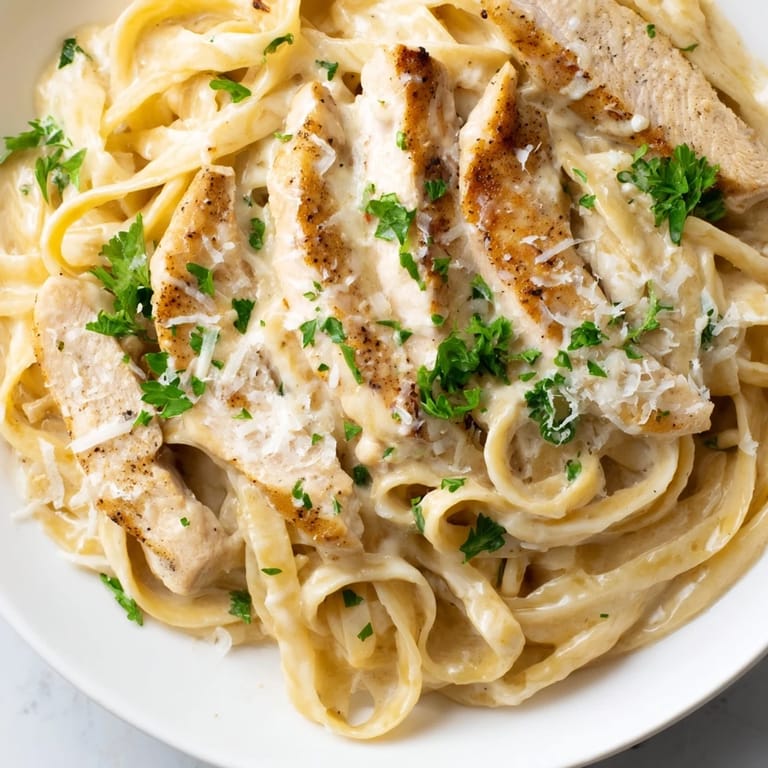
Save The first time I served this to friends, one of them asked if I'd ordered takeout and plated it myself. That's the kind of dish this is—it looks and tastes like something you'd pay twenty dollars for at a bistro, but you made it in your own kitchen wearing sweatpants. There's something deeply satisfying about pulling that off, about watching people take that first bite and pause, surprised. It's the kind of meal that makes you feel capable, like you've got at least one thing figured out.
Customizing the Heat Level
I've made this everywhere from mild to nearly unbearable depending on the crowd, and it's forgiving enough to handle both extremes. Start with just a teaspoon of Cajun seasoning if you're cooking for people who think black pepper is adventurous, then offer hot sauce on the side for anyone who wants more. If you love heat, double the seasoning and toss in extra red pepper flakes, or even a dash of cayenne directly into the Alfredo. The cream will soften the burn just enough to keep it enjoyable rather than punishing, and you'll still get that trademark tingle on your tongue.
Making It Your Own
This recipe is a starting point, not a rulebook, and I've learned it takes to all kinds of tweaks without falling apart. I've stirred in sautéed bell peppers and spinach when I had them in the fridge, swapped the chicken for shrimp when I wanted something faster, and even used penne once when I ran out of fettuccine. A friend of mine makes it with smoked sausage instead of chicken and says it's even better, which I'm inclined to believe. The Alfredo base is sturdy enough to carry whatever you throw at it, so don't be afraid to experiment based on what you have or what sounds good in the moment.
Storing and Reheating
Leftovers keep in an airtight container in the fridge for up to three days, and I'll be honest, they're almost better the second time around once all the flavors have had a chance to meld. Reheat gently in a skillet over low heat with a splash of cream or milk to loosen the sauce, stirring frequently so it doesn't break or dry out. The microwave works in a pinch, but you'll want to add a little liquid and stop to stir every 30 seconds or the pasta will turn rubbery. I've never had leftovers last long enough to freeze, but if you do, the sauce might separate slightly when thawed—just whisk it back together over gentle heat and it should come around.
- Store in shallow containers so it cools quickly and evenly.
- Add a drizzle of cream or a tablespoon of pasta water when reheating to bring the sauce back to life.
- Avoid reheating more than once or the texture of the chicken and pasta will suffer.
 Save
Save This dish has become one of those recipes I don't even need to think about anymore—I can make it on autopilot after a long day and still end up with something that feels special. I hope it does the same for you, whether you're feeding a crowd or just treating yourself to something rich and satisfying on a weeknight.
Recipe FAQs
- → How do I prevent the Alfredo sauce from breaking?
Keep the heat at medium and avoid boiling the cream. Whisk constantly when adding the cream and simmer gently. If the sauce becomes too thick, add reserved pasta water one tablespoon at a time to reach the desired consistency.
- → Can I make this dish ahead of time?
Cook the chicken and prepare the sauce in advance, but assemble the dish just before serving. Store components separately in airtight containers for up to 3 days. Reheat gently on the stovetop with a splash of cream or pasta water.
- → What's the best way to cook chicken to keep it tender?
Pat the chicken dry before cooking and avoid overcooking. Cook until the internal temperature reaches 165°F (74°C), then let it rest for 2-3 minutes before slicing. This ensures juicy, tender chicken that won't dry out.
- → Can I use a different pasta shape?
Absolutely! While fettuccine and linguine work best with creamy sauces, you can use penne, rigatoni, or angel hair. Thicker pasta shapes hold the sauce better, so adjust cooking time according to package directions.
- → How can I make this vegetarian?
Substitute the chicken with tofu, tempeh, or hearty vegetables like portobello mushrooms or cauliflower steaks. Season them with Cajun spices and pan-sear until golden. The cooking method remains the same for this flavorful alternative.
- → What wine pairs well with this dish?
A crisp Sauvignon Blanc complements the creamy sauce and spicy chicken beautifully. The acidity cuts through the richness of the Alfredo while the wine's citrus notes balance the Cajun heat.