 Save
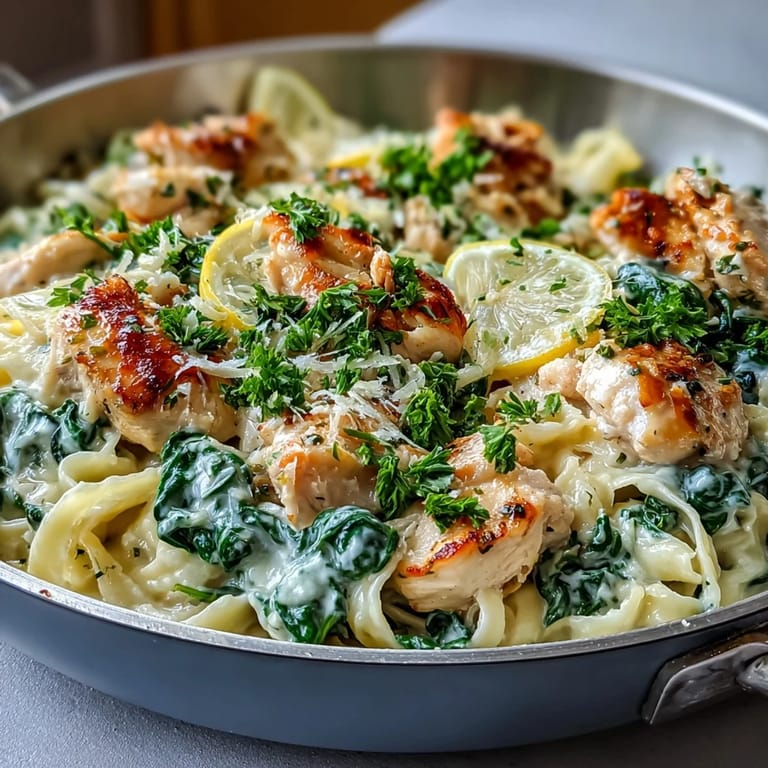
Save There's something about the sound of a wooden spoon scraping against the bottom of a warm pot that tells you dinner is almost ready. I discovered this lemon orzo on a Tuesday evening when I had chicken, pasta, and citrus but absolutely no patience for multiple dishes. The kitchen filled with this incredible aroma—garlic, oregano, bright lemon—and suddenly my family was hovering around the stove asking when we could eat. That one pot became my secret weapon for nights when I wanted something that tasted like I'd spent hours cooking but actually took less than forty minutes.
I made this for my sister's unannounced visit last spring when she showed up with groceries and hunger but zero expectations. She sat at the counter while I worked, and by the time the spinach wilted into the pot and the kitchen smelled like a Mediterranean restaurant, she was already reaching for bowls. We ate right there while she told me about her new job, and somehow this simple dish made the whole moment feel special—like I'd done something thoughtful without even trying.
Ingredients
- Chicken breasts or thighs: Thighs stay juicier if you've got them on hand, but breasts work just fine if you cut them into smaller pieces so they cook evenly and don't dry out.
- Orzo pasta: This little rice-shaped pasta soaks up broth like a sponge, which is exactly what you want—it becomes creamy without any cream.
- Fresh baby spinach: The heat of the pot wilts it down in seconds, so it disappears into the dish but adds iron and a subtle earthiness.
- Lemon zest and juice: Zest it fresh right before you need it; bottled juice won't give you that same brightness and complexity.
- Chicken broth: Low-sodium lets you control the salt and means the lemon flavor comes through clearly without competing.
- Olive oil: Good quality matters here since it's one of the few fats in the dish—it carries flavor throughout.
- Garlic and onion: The foundation of everything good; don't skip the garlic—it's what makes people ask what's in here.
- Oregano: Dried oregano works perfectly in this context; it actually infuses better than fresh when cooked in liquid.
- Parmesan cheese: Optional but honestly transforms the whole thing with a salty, nutty depth—though the dish stands beautifully without it.
Tired of Takeout? 🥡
Get 10 meals you can make faster than delivery arrives. Seriously.
One email. No spam. Unsubscribe anytime.
Instructions
- Sear the chicken first:
- Heat olive oil until it shimmers, then add chicken pieces seasoned with salt and pepper. Let them sit undisturbed for a few minutes so they develop a golden crust instead of steaming—this is where the flavor starts. About five to six minutes total and they should be cooked through with just a little color on the outside.
- Build your flavor base:
- Once chicken is set aside, add chopped onion to the same pot and let it soften, scraping up any browned bits stuck to the bottom because that's pure flavor. When the onion gets translucent, add minced garlic and cook for just thirty seconds—long enough to wake it up but not so long it turns bitter.
- Toast the orzo:
- Stir in uncooked orzo and oregano, letting everything coat in that oil and garlic mixture for about a minute. This step does something magic to the pasta, giving it a slightly nutty foundation before the broth even touches it.
- Simmer gently:
- Pour in chicken broth, bring it to a boil, then reduce heat and let it bubble away gently for about ten to twelve minutes. Stir every few minutes to prevent sticking, and you'll watch the orzo gradually soften and the broth reduce until it's almost absorbed.
- Bring it all together:
- Return the chicken to the pot, then add fresh spinach, lemon zest, and lemon juice all at once. Stir until the spinach wilts into the warm orzo—it happens in about thirty seconds—and taste to see if you need more salt, pepper, or lemon.
- Finish with cheese if you like:
- Parmesan stirred in at the end adds a subtle creaminess and salty depth, but the dish is equally lovely without it if you're dairy-free.
 Save
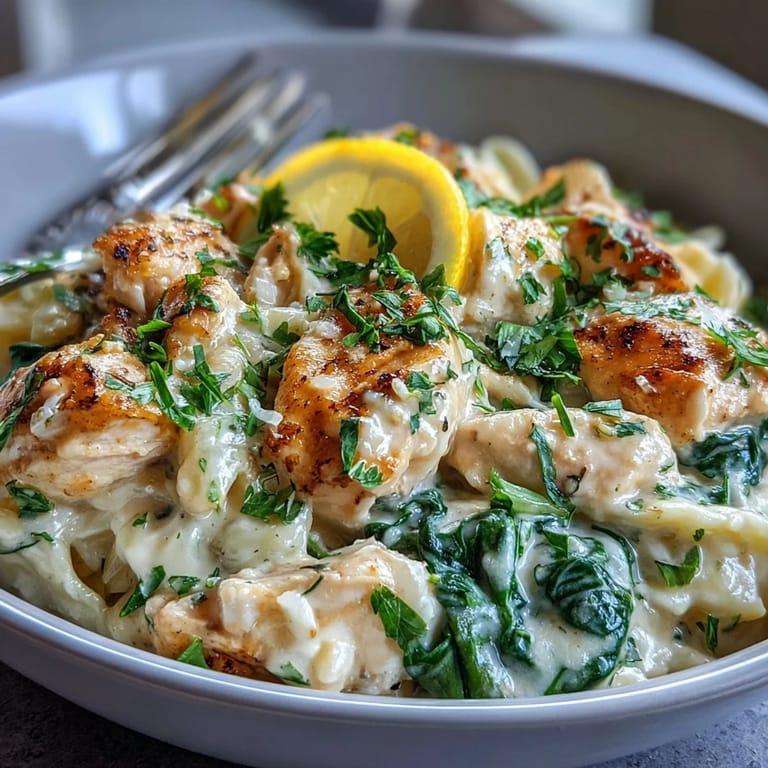
Save What strikes me most about this dish is that it somehow feels both everyday-easy and restaurant-worthy at the same time. Guests always seem surprised when I tell them there's no cream, no special technique, no complicated steps—just good ingredients and a single pot doing all the work.
Why This Works as a Complete Dinner
Protein, grains, and vegetables all finish at exactly the same moment, which is rarer than you'd think in one-pot cooking. The spinach adds nutrition without weighing the dish down, and the lemon keeps everything tasting light and summery even if it's the middle of winter. Most importantly, you're not juggling multiple pans while everything gets cold on the counter.
Flavor Combinations That Work Here
Mediterranean flavors are incredibly forgiving, which is partly why this dish is so hard to mess up. The garlic and oregano create this warm, herbaceous base that lets the chicken shine while the lemon keeps everything bright. You can play with additions without losing the identity of the dish.
- Sun-dried tomatoes stirred in at the end add jammy richness without changing the cooking process.
- Artichoke hearts or roasted red peppers bring texture and complexity if you want to make it feel more special.
- A pinch of red pepper flakes adds heat that complements the lemon without overpowering it.
Storage and Next-Day Magic
This keeps beautifully in the refrigerator for three days, though it'll continue absorbing moisture and become more like a risotto texture, which honestly isn't a bad thing. Reheat gently on the stovetop with a splash of broth or water if it's gotten too thick, and add a squeeze of fresh lemon juice to revive the brightness. Cold leftovers are also oddly perfect for a desk lunch with a simple side salad.
 Save
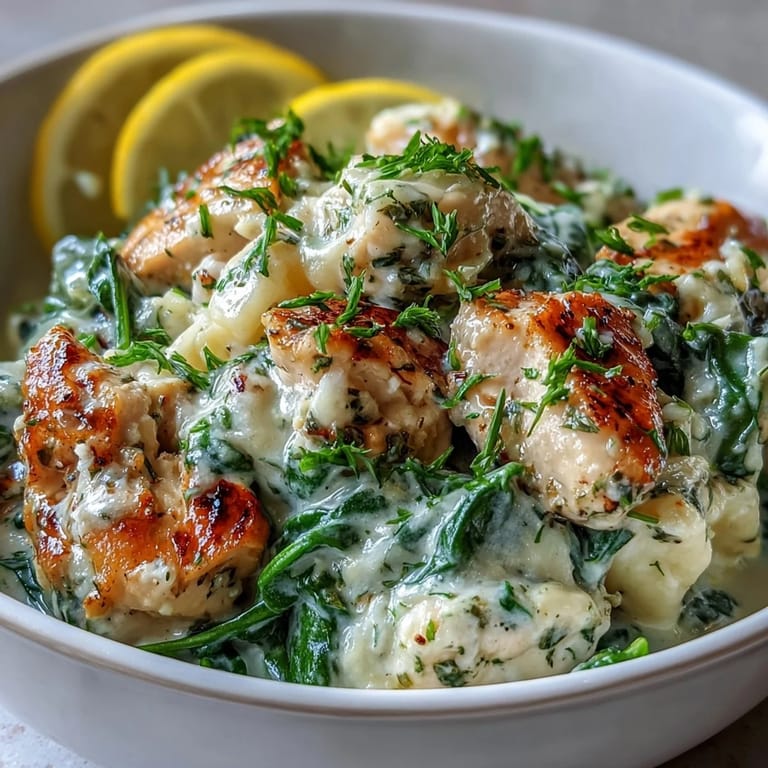
Save This is the kind of recipe that becomes part of your weeknight rotation without you even planning for it to. Once you make it once, you'll find yourself craving it again.
Recipe FAQs
- → Can I use chicken thighs instead of breasts?
Yes, boneless, skinless chicken thighs work well and add extra tenderness and flavor to the dish.
- → How do I make a dairy-free version?
Simply omit the Parmesan cheese or substitute with a plant-based alternative to keep the dish dairy-free.
- → What can I substitute for baby spinach?
Baby kale or arugula can be used as alternatives to fresh baby spinach without changing the overall flavor profile significantly.
- → Is it possible to prepare this without a Dutch oven?
Yes, a large deep skillet with a lid or a wide saucepan can be used as an alternative for cooking.
- → Can I add extra vegetables to the dish?
Yes, additions like sun-dried tomatoes or artichoke hearts complement the flavors and add variety.