 Save
Save Last spring, I found myself standing in a lavender field at a farmers market, the air thick with that purple-sweet smell, and I suddenly thought about turning it into something creamy and elegant. My grandmother had always said that lavender belonged in perfume, not desserts, but I was curious. That first attempt was wobbly and too floral, almost medicinal, until I realized honey wasn't just a sweetener—it was the translator between the herbal notes and something genuinely delicious. Now, panna cotta has become my favorite way to prove that sometimes the most delicate flavors are hiding in the things we think are too fancy to mess with.
I made this for my sister's birthday dinner last June, and watching her take that first spoonful—the way she closed her eyes like she was tasting something from a dream—that's when I knew this recipe was keeper material. The candlelight caught the wobble of it as she moved her spoon, and someone at the table actually gasped. It wasn't complicated or fussy, but somehow it felt like the most gracious thing I could offer.
Ingredients
- Heavy cream (2 cups): This is your foundation—don't skimp on quality here because you taste nothing but cream and honey, so make it count.
- Whole milk (1 cup): It keeps the texture silky without being too rich, and it lets the floral notes breathe instead of getting drowned.
- Honey (1/3 cup): The secret weapon that bridges lavender and cream; it's not just sweet, it's the flavor that says everything belongs together.
- Dried culinary lavender (2 teaspoons): Use only culinary grade—the regular stuff from craft stores will taste like you're eating your bath products.
- Pure vanilla extract (1 teaspoon): Just a whisper of it, because vanilla harmonizes with both honey and lavender in ways you won't notice until it's missing.
- Unflavored powdered gelatin (2 1/2 teaspoons): This sets everything into that perfect creamy wobble; blooming it first prevents lumps that will haunt you.
- Cold water (3 tablespoons): For blooming the gelatin, and it has to be cold or the gelatin won't activate properly.
Tired of Takeout? 🥡
Get 10 meals you can make faster than delivery arrives. Seriously.
One email. No spam. Unsubscribe anytime.
Instructions
- Bloom your gelatin:
- Sprinkle the gelatin over cold water in a small bowl and let it sit for exactly 5 minutes—this is the step nobody rushes because it actually matters. The granules will absorb the water and become spongy, ready to dissolve smoothly into warm cream without lumping.
- Heat and infuse:
- Pour cream, milk, honey, and lavender into a medium saucepan and warm it gently over medium-low heat, stirring occasionally, until you see steam rising but no bubbles breaking the surface. Remove it from heat, cover it, and let the lavender steep for 10 minutes—this is where the magic happens, where the floral notes slowly surrender to the cream.
- Strain away the solids:
- Pour the mixture through a fine-mesh sieve to catch every bit of lavender, and press gently on the herbs with the back of a spoon to extract all that infused flavor. Return the strained cream to the saucepan—it should look pale purple and smell like a secret garden in a cup.
- Marry the gelatin:
- Add your bloomed gelatin to the warm cream and stir until every granule dissolves completely into the liquid, then whisk in the vanilla. The mixture should be smooth and slightly thicker than it was, but still pourable.
- Set it and forget it:
- Divide the mixture evenly among 4 ramekins or glasses, cool it to room temperature (don't rush this or you'll get condensation), then cover and refrigerate for at least 4 hours. Most people forget about them in the fridge and are shocked when they remember and find pure elegance waiting.
- Serve with intention:
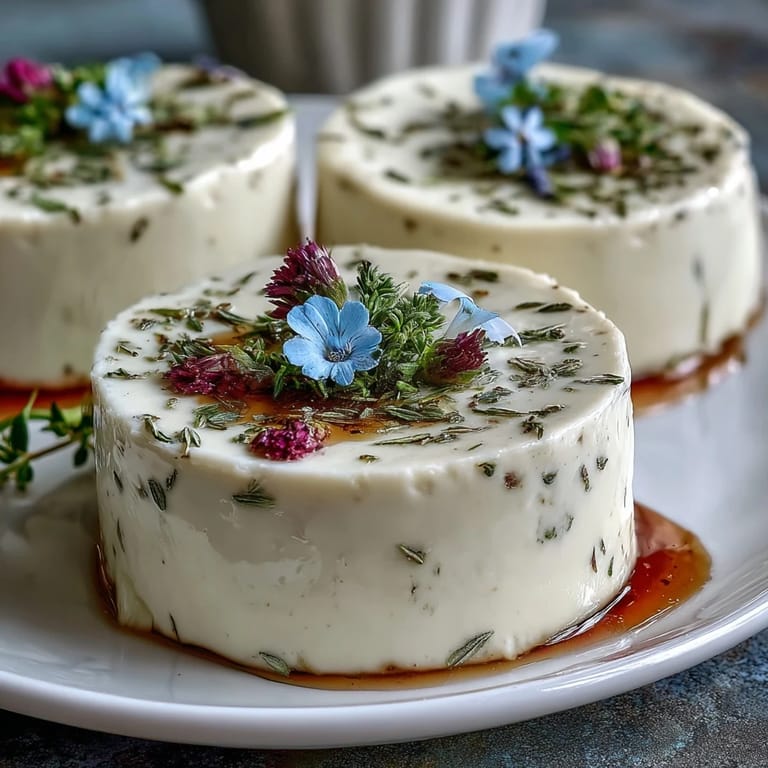
- You can run a knife around the edge and invert each one onto a plate for that fancy presentation, or simply serve it in the glass with a drizzle of honey and some berries on top. Either way, something small happens when someone puts a spoon into this and realizes how beautiful restraint tastes.
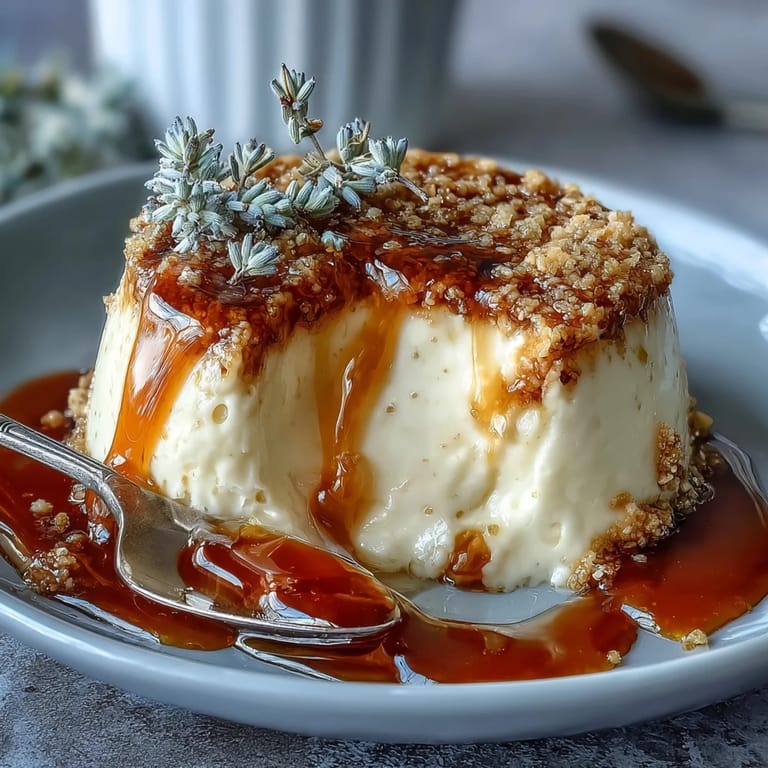 Save
Save There's something about watching someone taste panna cotta for the first time, the way their confusion melts into pleasure when they realize lavender isn't a mistake but a choice. It's taught me that cooking is sometimes about being brave enough to trust that seemingly odd combinations actually belong together.
The Lavender Question
Everyone asks if it'll taste like perfume, and honestly, the first time I made this in my head, I thought the same thing. But here's what I've learned: lavender in food isn't scary if you respect it. The honey is doing something crucial—it's sweet enough that it contextualizes the floral notes as sophisticated rather than strange. If you're nervous, you could reduce the lavender to 1 1/2 teaspoons and add it back if you wish it had more flavor (which I doubt you will).
Timing and Patience
This is a dessert that rewards waiting. You cannot rush the 4-hour chill, and honestly, I've found that overnight is even better—the flavors settle into something more confident. There's also something meditative about planning a dinner where you make this first thing in the morning, knowing dessert is already taken care of and improving in the dark of your refrigerator.
Make It Your Own
Once you understand the basic formula, you can play. Orange blossom honey instead of regular honey is absolutely stunning, or you could steep fresh lavender in cream if you find quality culinary buds (use less—maybe half a teaspoon—because fresh is more potent than dried). The beauty of this recipe is that it's a template, not a prison.
- Try a drizzle of good quality olive oil and a tiny pinch of fleur de sel on top instead of honey for something that tilts savory and sophisticated.
- Pair it with shortbread cookies because the buttery crunch against the creamy wobble is honestly life-changing.
- For a vegan version, use full-fat coconut milk and agar agar powder (about 1 teaspoon) instead of gelatin, dissolved in a separate small saucepan before mixing in.
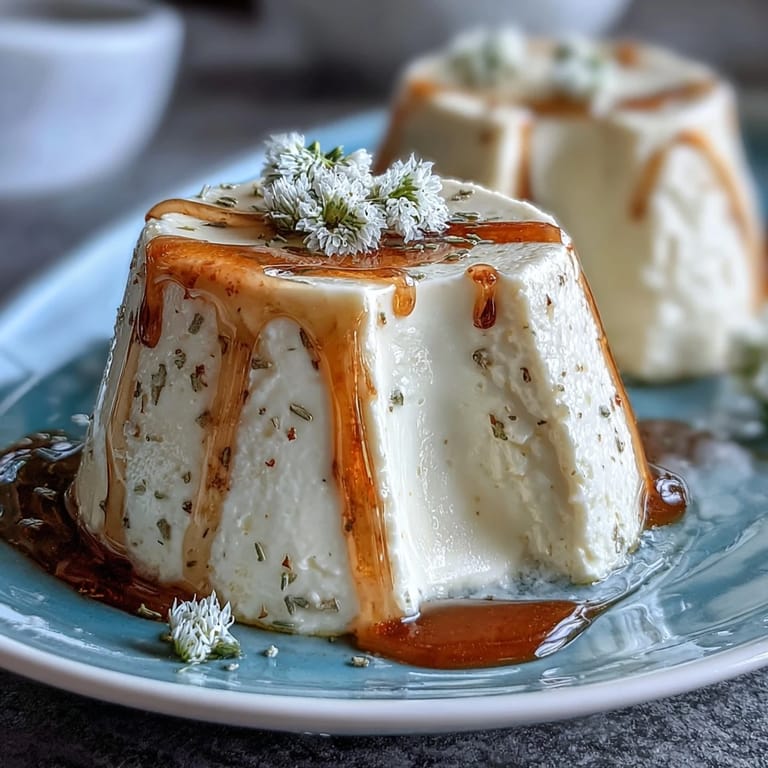 Save
Save Panna cotta taught me that sometimes the most impressive things are the simplest, and that lavender belongs anywhere you're brave enough to put it. Make this, chill it, and let someone you care about taste something that feels like spring in a spoon.
Recipe FAQs
- → How do you infuse lavender flavor without bitterness?
Steep dried culinary lavender in warm cream and milk below boiling point, then strain to avoid bitterness and grainy texture.
- → Can gelatin be substituted for a vegan alternative?
Yes, agar agar can replace gelatin, but quantities and setting times need adjustment to maintain the smooth texture.
- → What is the best way to unmold this dessert?
Run a knife around the edges gently, then invert onto a plate or serve directly in glasses for ease.
- → How does honey impact the flavor profile?
Honey adds natural sweetness and subtle floral notes that complement the lavender’s aroma.
- → Why chill the mixture for several hours?
Chilling allows the gelatin to fully set, creating a smooth, creamy texture with delicate firmness.
- → Are there garnish options that enhance presentation?
Fresh edible flowers, extra honey drizzle, and fresh berries add color, texture, and flavor contrast.